Starting or growing a business does not always require a massive upfront investment, but it does require a clear strategy, an understanding of your resources, and a practical plan for execution. Whether you are exploring entrepreneurship for the first time, managing an existing company, or considering purchasing a business, understanding your options can help you make more informed decisions about ownership and growth.
The challenge is knowing where to begin. Some entrepreneurs spend too much money before validating their business ideas, while others overlook existing businesses that could offer an alternative path to ownership. Without a clear understanding of business models, financing, cash flow, and operations, even promising opportunities can become difficult to manage.
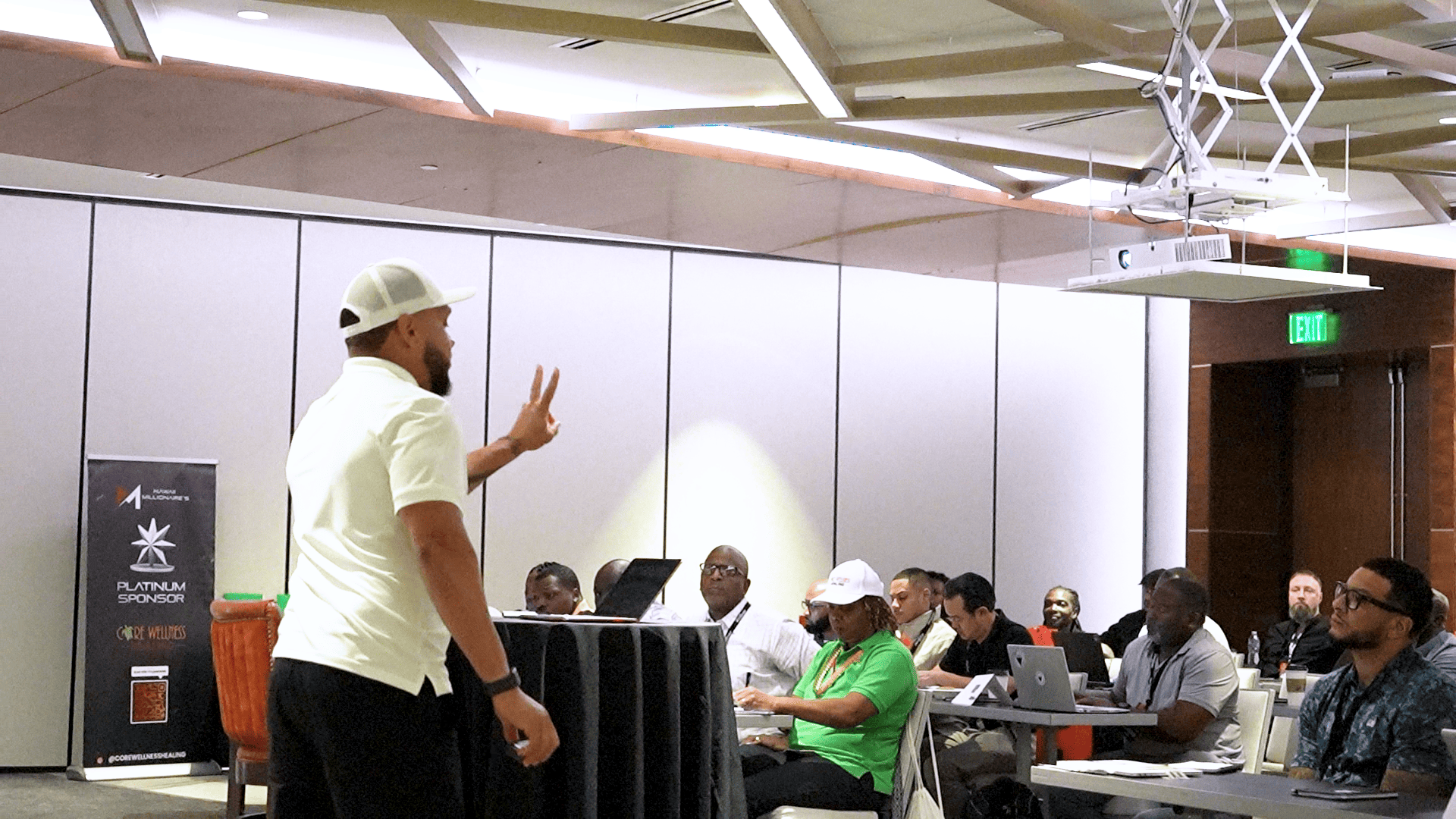
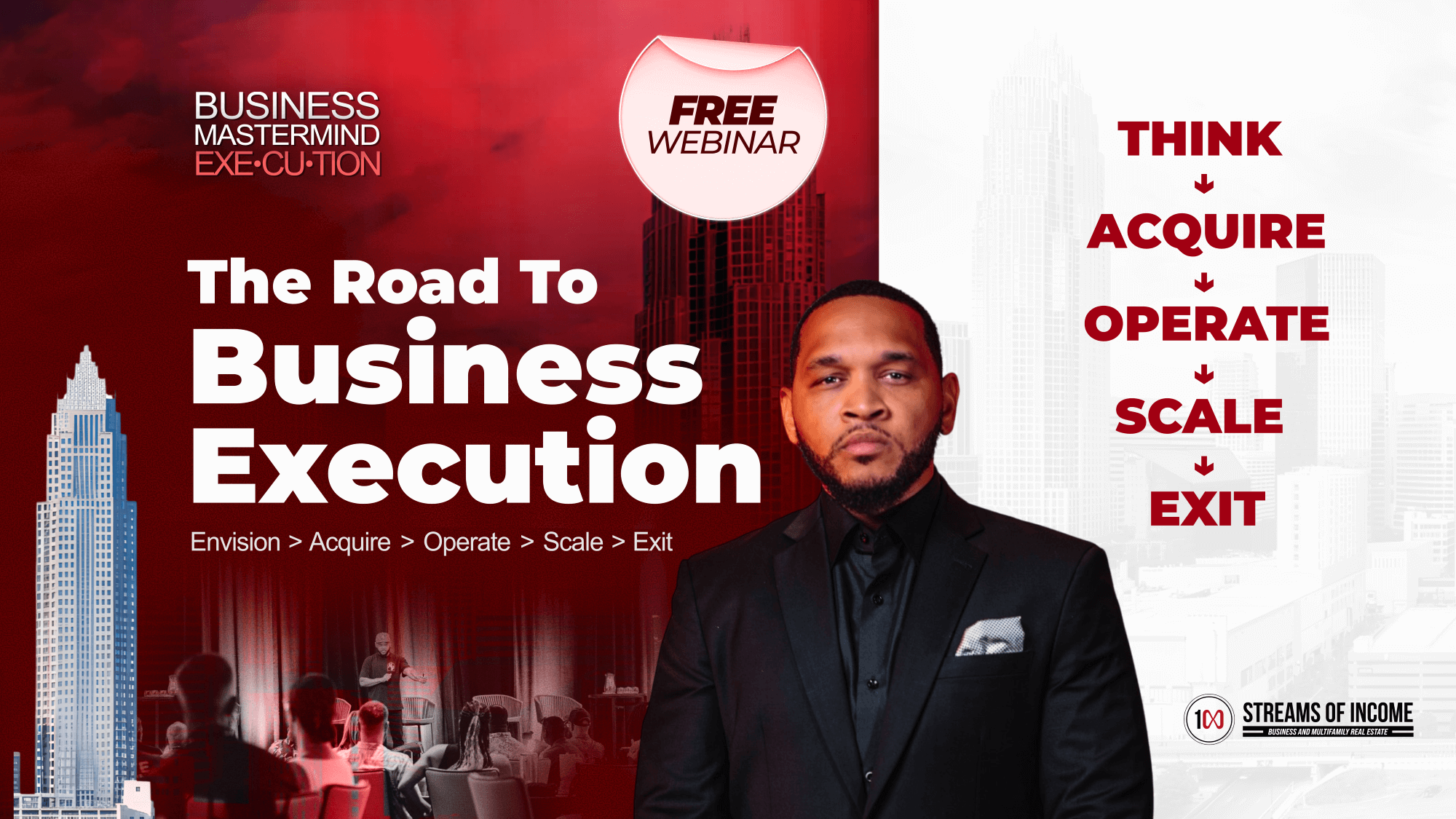
Business Mastermind Execution with Dearonne “Dee” Bethea focuses on helping aspiring entrepreneurs, business owners, investors, and operators approach business ownership with greater clarity. Through the framework Envision, Acquire, Operate, Scale, and Exit, participants explore how to evaluate opportunities, allocate resources, establish systems, and develop actionable plans for building sustainable businesses.
What Is Business Mastermind Execution?
Business Mastermind Execution is a practical business education and strategy experience centered on turning entrepreneurial ideas into actionable plans. Rather than focusing exclusively on motivation or general business theory, the approach addresses the decisions involved in choosing a business model, evaluating opportunities, securing appropriate financing, attracting customers, managing cash flow, and preparing for growth.
The objective is to help participants understand which business ownership path best fits their goals, experience, resources, and risk tolerance. For one person, that may mean starting a service-based company with minimal infrastructure. For another, it may involve acquiring an established business, purchasing a franchise, or improving an existing operation.
The mastermind also encourages entrepreneurs to consider the entire business lifecycle. Starting a company is only one part of ownership. Building reliable operations, maintaining financial discipline, developing a capable team, and creating a business that can function beyond the owner’s daily involvement are equally important considerations.
To learn more about the program and its business ownership focus, visit the Business Mastermind page on Dearonne Bethea’s website.
Who Is the Business Mastermind For?
The Business Mastermind is intended for individuals who want to approach business ownership with a practical, execution-focused mindset. It can be relevant whether you are developing your first business idea or looking for ways to improve an established company.
Aspiring entrepreneurs can use the framework to evaluate potential business ideas, research customer demand, and determine what resources they need before committing significant money. Instead of pursuing an idea simply because it sounds profitable, they can begin assessing whether it addresses a genuine market need and whether the business model is realistic.
Existing business owners may benefit from examining their pricing, cash flow, customer acquisition, operational processes, and growth strategy. A company can generate revenue without producing the financial results its owner expects. Identifying the underlying issues can help determine whether the priority should be improving profitability, strengthening systems, or expanding into new markets.
Entrepreneurs interested in business acquisitions can explore how to evaluate existing companies, review financial information, understand transaction structures, and identify potential operational improvements. Acquiring a business requires careful investigation, so understanding the fundamentals is essential before pursuing a transaction.
Prospective franchise owners can compare franchising with independent business ownership, considering the financial requirements, contractual obligations, support systems, and restrictions associated with each option.
The mastermind may also appeal to investors, veterans transitioning into entrepreneurship, and professionals who want to turn their skills, experience, and relationships into business opportunities. The common requirement is a willingness to learn, evaluate options, and take deliberate action.
Starting or Growing a Business Without Heavy Upfront Capital
Capital is an important business resource, but it is not the only resource an entrepreneur can use to build a company. Skills, industry experience, professional relationships, technology, customer relationships, and access to appropriate financing can also influence how a business is established and developed.
Capital-efficient entrepreneurship means making thoughtful decisions about how available resources are deployed. It does not mean that businesses can operate without money or that every business opportunity is accessible without substantial investment. Instead, it involves identifying unnecessary expenses, testing assumptions before making major commitments, and choosing a business model that fits the resources available.
For example, an entrepreneur with marketing expertise may be able to begin offering services using existing equipment and professional relationships rather than immediately leasing an office, hiring a large team, and investing heavily in infrastructure. A business owner considering an acquisition may investigate financing options rather than assuming the entire purchase price must be paid in cash.
An existing business can also provide a different starting point from a new venture. Depending on the company, an acquisition may include an established customer base, operating processes, employees, equipment, vendor relationships, and a history of financial performance. However, these potential advantages must be weighed against the purchase price, liabilities, operating requirements, and risks discovered during due diligence.
Entrepreneurs can explore the U.S. Small Business Administration’s business planning resources to understand business planning, market research, startup costs, funding, and the differences between buying an existing company and purchasing a franchise.
The goal is to identify a realistic path to ownership, understand the resources required, and avoid committing more capital than the business model can reasonably support.
Three Paths to Business Ownership
Entrepreneurs generally have three primary paths to consider: starting a business from scratch, purchasing an existing business, or buying a franchise. Each option has different financial requirements, levels of control, operational considerations, and risks.
1. Starting a Business From Scratch
Starting a business independently gives entrepreneurs considerable control over their brand, pricing, products or services, customer experience, and operating model. It can also allow them to test an idea on a smaller scale before investing in a larger operation.
The challenge is that the owner must establish the foundations of the business. These may include developing an offer, finding customers, building credibility, establishing vendor relationships, and creating processes for delivering products or services.
A lean approach can help reduce unnecessary initial spending. Entrepreneurs can begin by identifying a specific customer problem, developing a clear offer, and testing whether customers are willing to pay for a solution. They can then use the results to determine which investments are necessary to support further growth.
The right starting point depends on the business model. A service business that relies primarily on expertise may have different startup requirements from a manufacturing company, retail operation, or business that needs specialized equipment.
2. Buying an Existing Business
Acquiring an established company can provide an alternative to building every aspect of a business from the ground up. Depending on the transaction, the buyer may obtain an existing customer base, employees, equipment, contracts, operating procedures, and documented financial history.
However, an established business is not automatically a good investment. Buyers must investigate the company’s revenue, profitability, cash flow, customer concentration, liabilities, contracts, employee arrangements, and dependence on the current owner.
It is also important to understand why the seller wants to exit and whether the business can continue operating effectively after the ownership transition. A company that depends heavily on the seller’s personal relationships or technical knowledge may require a carefully planned transition.
Before committing to an acquisition, buyers should consider working with qualified accounting, legal, and financial professionals. The SBA’s guide to buying an existing business or franchise provides a useful starting point for understanding the evaluation process.
The central question is not simply whether the asking price appears affordable. It is whether the business’s financial performance, operating requirements, risks, and growth potential justify the proposed transaction.
3. Buying a Franchise
Franchising allows an entrepreneur to operate under an established business model and use a franchisor’s brand according to the terms of a franchise agreement. Depending on the system, the franchisee may receive training, operating procedures, marketing support, technology, and guidance.
These benefits come with financial and contractual obligations. Franchise owners may need to pay initial fees, royalties, advertising contributions, and other operating costs. They may also have limited control over pricing, suppliers, branding, territory, and business procedures.
Before purchasing a franchise, entrepreneurs should investigate the full investment required, the franchisor’s financial position, the support provided, and the experiences of existing franchisees. They should also carefully review the Franchise Disclosure Document and seek professional advice when appropriate.
The Federal Trade Commission’s guide to buying a franchise explains the information prospective franchise owners should evaluate before making an investment.
Ultimately, starting independently, acquiring a company, and franchising are different approaches rather than universally better or worse choices. The appropriate option depends on the entrepreneur’s goals, capabilities, available resources, and willingness to accept financial and operational risk.
The Five-Stage Business Mastermind Execution Framework
The Business Mastermind uses five stages to organize the business ownership journey: Envision, Acquire, Operate, Scale, and Exit. Together, these stages encourage entrepreneurs to think beyond launching a company and consider how the business will be established, managed, developed, and potentially transferred.
Stage 1: Envision
Before investing money, entrepreneurs need to determine what they want to achieve through business ownership. A business designed to provide flexible self-employment may require a different strategy from a company intended to expand into multiple markets or become an acquisition target.
During this stage, consider your skills, experience, lifestyle, financial objectives, risk tolerance, and long-term vision. Identify the type of business you want to build or acquire and determine how it fits your broader goals.
Market research is equally important. A promising business idea should address a real customer need and have a realistic path to generating revenue. Researching demand, competitors, pricing, and customer behavior can help determine whether an opportunity deserves further investigation.
The outcome should be a clearer understanding of the business you want to pursue and the criteria you will use to evaluate opportunities.
Stage 2: Acquire
Once you have established your direction, the next step is determining how to obtain the business. You may decide to launch a new venture, purchase an existing company, enter a franchise agreement, or explore a partnership.
Each route requires a different evaluation process. A startup requires research into demand, startup costs, and the time needed to establish revenue. An acquisition requires financial due diligence, business valuation, and an understanding of the proposed transaction structure. A franchise requires careful examination of its disclosure documents, fees, contractual terms, and operating restrictions.
For acquisitions, reviewing revenue alone is not enough. Buyers should examine earnings, cash flow, assets, liabilities, working capital, customer concentration, and potential risks. They should also understand whether the business has sufficient financial capacity to support its ongoing operations after the transaction closes.
The objective is to understand what you are acquiring, what it will cost to operate, and whether the opportunity aligns with your investment criteria.
Stage 3: Operate
A business must function effectively after it is launched or acquired. This requires a clear understanding of sales, pricing, expenses, customers, employees, suppliers, cash flow, and daily operations.
Revenue does not automatically translate into profit, and profit does not always mean sufficient cash is available to pay obligations when they become due. Business owners need reliable financial records and regular reporting to understand the company’s actual performance.
Operational discipline also means establishing clear responsibilities, documenting important processes, monitoring service quality, and addressing problems before they become more expensive.
A strong operating foundation makes it easier to identify inefficiencies, allocate resources, and prepare the business for future growth.
Stage 4: Scale
Scaling means increasing a business’s capacity, reach, or profitability without allowing its complexity to become unmanageable. Simply attracting more customers may not produce sustainable growth if the business lacks the people, processes, and financial resources to serve them effectively.
Growth may require better sales systems, documented procedures, appropriate technology, stronger management, additional employees, or improved financial controls. Before expanding, owners should understand whether their existing business model can support higher demand and what additional resources will be needed.
Delegation is an important part of this stage. When every decision and task depends on the owner, the business can become difficult to grow. Establishing clear responsibilities and accountability allows the team to handle routine work while leadership focuses on strategy and development.
The goal is to build an operation that can expand responsibly without depending on the owner to personally manage every detail.
Stage 5: Exit
An exit strategy considers what may eventually happen when the owner wants to sell, transfer, restructure, or step away from the business. Not every entrepreneur intends to sell, but understanding potential exit options can help inform decisions made throughout the company’s development.
A business may become more transferable when it has reliable financial records, documented operating procedures, a capable management team, a stable customer base, and reduced dependence on the owner’s personal involvement.
Potential exit routes include a sale to another entrepreneur, a strategic acquisition, a management buyout, a merger, or a planned ownership transition. Each option has different legal, financial, and operational implications.
Planning ahead does not guarantee that a business will sell or achieve a particular valuation. It does, however, encourage owners to build a company with a clearer structure, stronger operations, and more options for the future.
How to Start a Business With Limited Capital
Starting with limited capital requires entrepreneurs to prioritize activities that establish demand and generate revenue. Rather than investing immediately in a fully developed operation, begin by identifying the smallest practical version of the business that can deliver value to paying customers.
Consider a Service-Based Business
Some service-based businesses can be launched with relatively modest infrastructure because they rely primarily on expertise, time, and existing tools. Examples include consulting, marketing, professional services, education, home services, and specialized business-to-business support.
However, low startup costs do not guarantee profitability. Entrepreneurs still need to consider licensing, insurance, marketing, equipment, software, transportation, and the cost of delivering their services.
The first step is identifying a problem you can solve, determining who is likely to pay for that solution, and creating a clearly defined offer.
Validate Demand Before Making Major Investments
Market validation helps determine whether customers are interested in a product or service before significant resources are committed. Entrepreneurs can speak with potential customers, research competitors, test a small offer, or pursue initial sales to evaluate demand.
The objective is to gather evidence rather than rely entirely on assumptions. If customers are not willing to pay for the proposed solution, it may be necessary to refine the offer, change the target market, or reconsider the business model.
Use the Resources You Already Have
Skills, work experience, professional relationships, equipment, certifications, and industry knowledge can all contribute to a business’s starting point.
Identifying these resources helps entrepreneurs understand where they have an advantage and which capabilities they still need to develop or obtain. It can also help them avoid unnecessary spending on tools or services that are not essential during the earliest stages.
Reinvest Strategically
As revenue develops, business owners can evaluate whether earnings should be reinvested in marketing, technology, equipment, employees, or improved customer service. Reinvestment decisions should be based on business priorities, available cash, and realistic expectations about the benefits of each expense.
A business should also maintain appropriate reserves for operating expenses and unexpected costs. Reinvesting every available dollar without considering cash-flow requirements can create financial pressure even when sales are increasing.
How to Finance a Business Acquisition Without Paying the Entire Purchase Price in Cash
Acquiring a business does not always require the buyer to fund the entire purchase price from personal savings. Depending on the business, transaction, lender requirements, and buyer’s financial position, possible funding structures may include bank loans, SBA-backed financing for eligible transactions, seller financing, investor equity, or a combination of sources.
Seller financing generally involves the seller allowing the buyer to pay a portion of the purchase price over time under agreed terms. Investor partnerships may provide additional capital in exchange for an ownership interest or another negotiated arrangement. Each structure has different implications for repayment, ownership, control, and risk.
Before choosing a financing approach, buyers should calculate the total cash required to complete the acquisition and support the business afterward. Closing costs, professional fees, inventory, payroll, repairs, debt payments, and other working capital requirements can significantly affect the amount of funding needed.
A transaction that appears affordable based on its purchase price may become difficult to sustain if the business does not generate sufficient cash to cover operating expenses and debt obligations.
Buyers should therefore evaluate the business’s financial performance under realistic assumptions, understand the terms of any financing, and seek qualified professional advice before signing binding agreements. Financing availability and eligibility vary, and none of these structures guarantees that an acquisition will be approved or successful.
Choosing the Right Market and Business Opportunity
The quality of a business opportunity depends partly on the market it serves. Entrepreneurs should understand customer demand, local competition, demographic trends, pricing, industry conditions, and barriers to entry before committing significant resources.
Market research should answer practical questions. Who needs the product or service? How frequently do they purchase it? What alternatives are available? What makes the proposed business competitive? How much are customers willing to pay, and what will it cost to serve them?
Entrepreneurs evaluating established companies should also investigate whether demand is stable, seasonal, or declining. Historical sales may not accurately reflect future performance if the market is changing or a major customer is unlikely to remain.
Some service industries, including HVAC, plumbing, electrical services, childcare, fitness, wellness, and professional services, may offer opportunities worth investigating. However, the presence of demand in an industry does not guarantee that a particular business will be profitable.
A high-conviction opportunity is one supported by evidence, realistic financial assumptions, and a clear understanding of its operational requirements. Research should help entrepreneurs distinguish between an attractive business concept and a viable investment.
Understanding Business Financials and Cash Flow
Financial literacy is essential for both new and established business owners. Understanding the numbers helps entrepreneurs evaluate performance, identify problems, make investment decisions, and determine whether the business can support its operating requirements.
Revenue represents the income generated from selling products or services before expenses are deducted. Gross profit reflects revenue remaining after the direct costs of providing those products or services. Operating expenses, including rent, payroll, marketing, insurance, and administrative costs, further affect profitability.
EBITDA, or earnings before interest, taxes, depreciation, and amortization, is a measure commonly used when assessing business operating performance and acquisition opportunities. It should not be treated as the same thing as net income or cash flow. Buyers should understand how EBITDA has been calculated, whether adjustments are justified, and what additional expenses the business will incur.
Net income reflects profit after applicable expenses, while cash flow concerns the movement of cash into and out of the business. Working capital helps support day-to-day operations, including paying suppliers, employees, and other obligations as they fall due.
These measures provide different information, so no single figure should be used in isolation when evaluating a business.
Business owners should maintain accurate records, review financial statements regularly, prepare realistic forecasts, and understand the timing of incoming and outgoing payments. The SCORE cash-flow management resources offer additional guidance on monitoring cash, forecasting needs, and preparing for unexpected expenses.
Qualified accounting and tax professionals can help entrepreneurs interpret financial information and make decisions appropriate to their circumstances.
Marketing, Branding, and Customer Acquisition
A business needs a reliable way to attract and retain customers. Marketing should therefore be connected to the business model, target audience, pricing, and financial objectives rather than treated as an isolated promotional activity.
Effective marketing begins with understanding the customer. Entrepreneurs need to identify the problem their business solves, explain why the solution is valuable, and communicate how customers can access it.
Brand positioning helps distinguish the business from competitors, while customer acquisition activities create opportunities to generate sales. Depending on the business, these activities may include search engine optimization, content marketing, paid advertising, direct outreach, partnerships, referrals, and social media.
The most suitable channels depend on where customers look for solutions and how they make purchasing decisions. A business selling specialized services to other companies may need a different marketing strategy from a consumer-facing retail brand.
Customer retention also matters. Consistent service, clear communication, reliable delivery, and appropriate follow-up can help strengthen relationships and encourage repeat purchases.
The goal is to establish a measurable marketing and sales process that helps the business attract suitable customers, convert interest into revenue, and understand which activities contribute to sustainable growth.
Building Systems and Managing Business Operations
Many entrepreneurs become responsible for nearly every aspect of their businesses. They handle customer inquiries, sales, employee questions, scheduling, financial decisions, and problem-solving. Although this level of involvement may be necessary at first, it can become a barrier to growth.
Operational systems help businesses perform important activities consistently. These may include standard operating procedures, defined job responsibilities, performance indicators, employee training, financial controls, and regular management meetings.
Dearonne’s business education approach includes concepts associated with the Entrepreneurial Operating System (EOS), such as accountability structures, Level 10 Meetings, and the Vision/Traction Organizer. These concepts can help organizations establish priorities, clarify responsibilities, and review progress.
The value of a management framework depends on how appropriately it is implemented. Businesses should adapt systems to their size, complexity, and operating needs rather than introduce unnecessary procedures.
Technology and automation can also help reduce repetitive work, improve information flow, and support more consistent service delivery. However, tools should address genuine operational needs instead of creating additional complexity.
Strong systems make it easier to delegate, train employees, monitor performance, and prepare the company for future growth.
Financial Management and Responsible Growth
Growth requires financial discipline. Increasing sales without understanding expenses, margins, and working capital can place a business under pressure rather than strengthen it.
Entrepreneurs should monitor operating costs, establish budgets, forecast cash requirements, and understand the financial implications of hiring, purchasing equipment, expanding marketing, or entering new markets. They should also maintain appropriate reserves and plan for tax obligations with qualified professionals.
Capital allocation is particularly important when resources are limited. Every significant expenditure should have a clear business purpose and be evaluated against other priorities. For example, a business experiencing inconsistent sales may benefit more from improving its customer acquisition process than from expanding its office space.
Growth decisions should reflect the company’s financial position, operational capacity, and market conditions. Expanding too quickly can create problems with service quality, staffing, cash flow, and management. Expanding too slowly may also limit opportunities, so the objective is to make decisions based on evidence rather than assumptions.
Responsible financial management helps business owners understand what the company can support today and what it needs before moving into its next stage.
From Business Operator to CEO
As a business develops, the owner’s responsibilities may need to change. The person who initially handled every task may eventually need to focus more heavily on strategy, leadership, capital allocation, partnerships, and long-term planning.
This transition requires more than delegating individual tasks. The business needs capable people, clear expectations, documented processes, and a reliable way to evaluate performance.
Owners should identify activities that genuinely require their involvement and distinguish them from responsibilities that trained employees or managers can handle. They can then establish accountability, provide appropriate support, and review results without unnecessarily controlling every decision.
The shift from operator to CEO is not the same for every company. A small professional practice may need a different management structure from a multi-location service business or an acquisition platform.
The underlying principle remains the same: build an organization that can deliver its products or services consistently without relying on the owner to personally manage every detail.
Scaling a Business and Preparing for an Exit
Scaling should strengthen the business rather than simply increase its workload. Before expanding, owners should understand whether their current operations can support additional customers, employees, locations, or product lines.
Potential growth strategies include improving customer retention, expanding into suitable markets, introducing complementary services, strengthening sales processes, and acquiring other businesses. Each strategy requires careful consideration of its costs, risks, and expected benefits.
Exit planning should also inform how a business is developed. A company with reliable financial reporting, documented procedures, a capable management team, and diversified customer relationships may be easier for a prospective buyer to evaluate and transition.
Possible exit options include selling to another entrepreneur, pursuing a strategic acquisition, arranging a management buyout, restructuring ownership, or continuing to hold the business for long-term income.
Not every company will attract a buyer, and a sale is never guaranteed. Nevertheless, planning for transferability can encourage better management practices and provide the owner with more choices over time.
What Does the Business Mastermind Curriculum Cover?
The Business Mastermind curriculum addresses major areas of business ownership, from identifying opportunities to building operations and considering eventual exits. The nine modules are designed to connect business strategy with practical decisions.
Module 1: The State of the U.S. Economy and the Opportunity Landscape. Explore how economic conditions, interest rates, financing availability, and demographic changes can influence business opportunities and acquisition decisions.
Module 2: Selecting the Right Market. Examine customer demand, competition, migration, demographics, and SWOT analysis to evaluate potential markets.
Module 3: The Baby Boomer Business Transfer Opportunity. Investigate the potential for acquiring established businesses from owners approaching retirement and understand the considerations involved in ownership transitions.
Module 4: High-Conviction Service-Based Business Targets. Explore service industries and evaluate opportunities based on demand, financial performance, competition, and operational potential.
Module 5: Business Ownership Versus Franchising. Compare independent startups, acquisitions, and franchises while examining acquisition fundamentals such as EBITDA and Letters of Intent.
Module 6: Marketing and Branding for Growth. Consider customer acquisition, digital marketing, positioning, reputation, and strategies for building repeatable sales processes.
Module 7: Operations and Management Mastery. Examine management systems, accountability, organizational structure, meetings, and processes that support consistent operations.
Module 8: Financial Management and Cash-Flow Mastery. Explore budgeting, profitability, financial reporting, cash-flow planning, and responsible capital allocation.
Module 9: Growth, Scale, and Exit Strategy. Consider how to develop leadership, expand operations, build transferable business value, and evaluate potential exit options.
Together, these subjects provide a framework for thinking through business ownership decisions. The practical value comes from applying the concepts to specific goals, resources, opportunities, and circumstances.
Why Learn From Dearonne “Dee” Bethea?
Dearonne Bethea is a corporate business owner, real estate investor, and founder and CEO of Band of Brothers Investment Group. He also serves as an acquisitions lead and key principal of Tri-City Equity Group and is a retired U.S. Army Chief Warrant Officer Four.
His professional background combines military service, entrepreneurship, business acquisitions, investing, and wealth education. His platform describes a diversified portfolio totaling more than $200 million in assets and 86 streams of income.
Dee’s approach emphasizes ownership, financial literacy, disciplined execution, and the development of systems that support long-term business growth. These themes connect business education with the broader objective of building assets and creating additional opportunities through entrepreneurship.
You can learn more about his background and professional experience through the Dearonne Bethea website and its media page.
The purpose of learning from experienced business owners is not to assume that another person’s results can be replicated automatically. It is to understand the principles, decisions, and operating practices that may be relevant to your own circumstances and evaluate them carefully before applying them.
Business Mastermind vs. a Traditional Business Conference
Traditional business conferences often focus on keynote presentations, networking, industry developments, and general business education. These experiences can provide valuable information and introduce attendees to new ideas and professional relationships.
A mastermind places additional emphasis on applying ideas to business decisions. Rather than stopping at what an entrepreneur should know, an execution-focused approach asks how the information relates to a specific opportunity, what decisions need to be made, and what steps should follow.
For someone evaluating business ownership, this may mean comparing startup and acquisition options, assessing capital requirements, examining financial information, or identifying operational improvements. An existing business owner may instead focus on strengthening customer acquisition, improving cash flow, or establishing better management systems.
The value of either format depends on the quality of the experience and how the participant applies what is learned. The important distinction is the emphasis on moving from general information toward a practical plan.
What Should You Aim to Take Away From the Business Mastermind?
The intended outcome is greater clarity about the business decisions ahead. Depending on your starting point, that may involve identifying a suitable business model, establishing market evaluation criteria, understanding acquisition fundamentals, or creating a more disciplined approach to financial management.
You should also be able to identify which resources you already possess, which capabilities you need to develop, and which expenses or commitments require further investigation.
For existing business owners, the process may highlight opportunities to improve pricing, streamline operations, strengthen marketing, or delegate responsibilities more effectively. For aspiring entrepreneurs, it may help narrow the available options and establish a realistic sequence of next steps.
The objective is not to leave with a collection of ideas that are never implemented. It is to develop a clearer understanding of your priorities and translate that understanding into informed action.
Frequently Asked Questions About Business Mastermind Execution
1. What is Business Mastermind Execution?
Business Mastermind Execution is Dearonne Bethea’s business education experience focused on helping aspiring entrepreneurs and business owners explore how to start, acquire, operate, and grow businesses through practical strategy and execution.
2. Can I start a business without a lot of money?
Some business models, particularly certain service-based businesses, can be launched with relatively low upfront costs. However, every business requires resources, and the amount of capital needed depends on its industry, operating model, equipment requirements, and other expenses.
3. Do I need to own a business before joining a mastermind?
No. The Business Mastermind is intended to be relevant to aspiring entrepreneurs as well as existing business owners. Someone who is still exploring business ownership can use the framework to evaluate potential opportunities and determine what to investigate next.
4. Is buying an existing business better than starting from scratch?
Neither option is universally better. An acquisition may provide an existing customer base and operating history, while starting from scratch may offer more flexibility and a smaller initial commitment for certain business models. The right choice depends on the opportunity, resources, experience, and risk tolerance of the entrepreneur.
5. Can I buy a business without paying the entire purchase price in cash?
Potentially. Depending on the transaction, buyers may explore bank loans, eligible SBA-backed financing, seller financing, investor partnerships, or combinations of funding sources. Approval, terms, and eligibility vary, and buyers must also account for working capital and other transaction costs.
6. What is the difference between buying a business and buying a franchise?
Buying an independent business generally provides greater control over its operations and direction, although the buyer inherits the business’s existing circumstances and obligations. Franchising provides access to an established brand and operating model but involves fees, contractual obligations, and restrictions imposed by the franchisor.
7. What financial information should I review before acquiring a business?
Buyers should examine financial statements, tax records, revenue trends, profitability, cash flow, working capital, liabilities, and the assumptions behind any reported earnings. They should also investigate customer concentration, contracts, employee arrangements, and other factors that may affect future performance.
8. What industries should I consider when looking for a business opportunity?
Potential opportunities exist across many industries, including home services, professional services, childcare, fitness, wellness, and other service-based sectors. Industry selection should be supported by research into customer demand, competition, operating requirements, financial performance, and relevant regulations.
9. Why is cash-flow management important for business growth?
Cash-flow management helps business owners understand whether sufficient money will be available to meet obligations as they become due. A company can generate sales and report a profit while still experiencing cash shortages because of payment timing, debt obligations, or other operating requirements.
10. Why should I think about an exit strategy when starting a business?
Considering an exit strategy encourages owners to build reliable financial records, document processes, develop management capabilities, and reduce unnecessary dependence on one individual. These practices can support stronger operations even if the owner eventually decides to retain the business.
11. What does capital-efficient business ownership mean?
Capital-efficient business ownership involves using available financial and nonfinancial resources thoughtfully, limiting unnecessary spending, and making investment decisions based on evidence. It does not mean that a business can be built without capital or that financing is guaranteed.
12. What is the main objective of the Business Mastermind?
The central objective is to help participants approach business ownership with greater clarity and a stronger execution mindset. The framework encourages them to evaluate opportunities, understand financial and operational requirements, identify priorities, and develop practical next steps.
Start With the Business You Can Execute
Building a business begins with understanding the opportunity, the resources available, and the actions required to create value. A promising idea alone is not enough. Entrepreneurs must evaluate customer demand, understand the financial implications, establish reliable operations, and make decisions that support their long-term objectives.
You may choose to start a business, acquire an established company, explore franchising, or improve an operation you already own. Whatever path you pursue, the important step is to evaluate your options carefully and develop a plan that reflects your circumstances rather than relying on assumptions about what business ownership should look like.
The Business Mastermind Execution framework provides a way to organize that process: Envision → Acquire → Operate → Scale → Exit. Each stage encourages you to consider not only how to enter business ownership but also how to manage, develop, and potentially transfer the business over time.
You do not necessarily need a massive amount of capital to begin exploring entrepreneurship. You do need to understand the resources required, the risks involved, and the decisions that will determine whether an opportunity is viable.
Explore Business Mastermind Execution
If you are ready to evaluate business opportunities, strengthen your understanding of acquisitions, improve your operating systems, or develop a more deliberate growth strategy, explore the Business Mastermind with Dearonne Bethea.
Learn the principles. Evaluate your options. Develop your strategy. Take informed action toward building a business that creates value.
Disclaimer
The information in this article is provided for educational purposes only and does not constitute financial, investment, legal, tax, or business advice. Business ownership, acquisitions, franchising, and financing involve risks, and outcomes vary according to individual circumstances and market conditions. No particular level of income, profitability, investment return, or business success is guaranteed. Readers should conduct independent due diligence and consult qualified professionals before making business, investment, financing, or legal decisions. References to financing programs are informational and do not guarantee eligibility or approval.