Business growth is often associated with increasing sales, attracting more customers, improving marketing, and expanding into new markets. While these factors are important, there is another element that can determine how successfully a business grows: having the right people in place to support that growth.
For many entrepreneurs, building a capable team can become one of the biggest challenges as their businesses expand. Hiring locally may be expensive, finding qualified professionals can take time, and managing an increasing workload can leave business owners overwhelmed by daily operations. However, an opportunity that more U.S. businesses are beginning to explore is global talent.
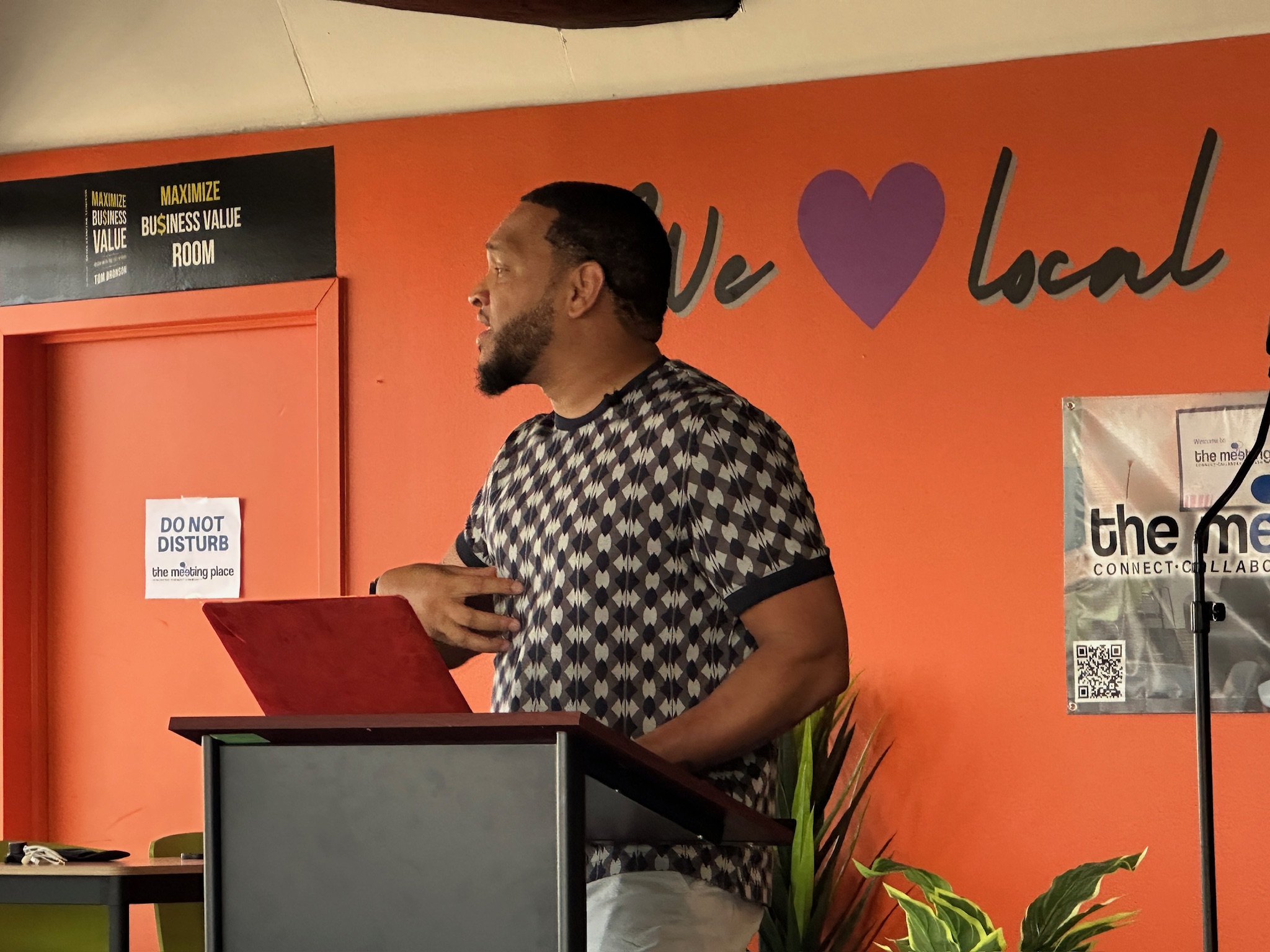
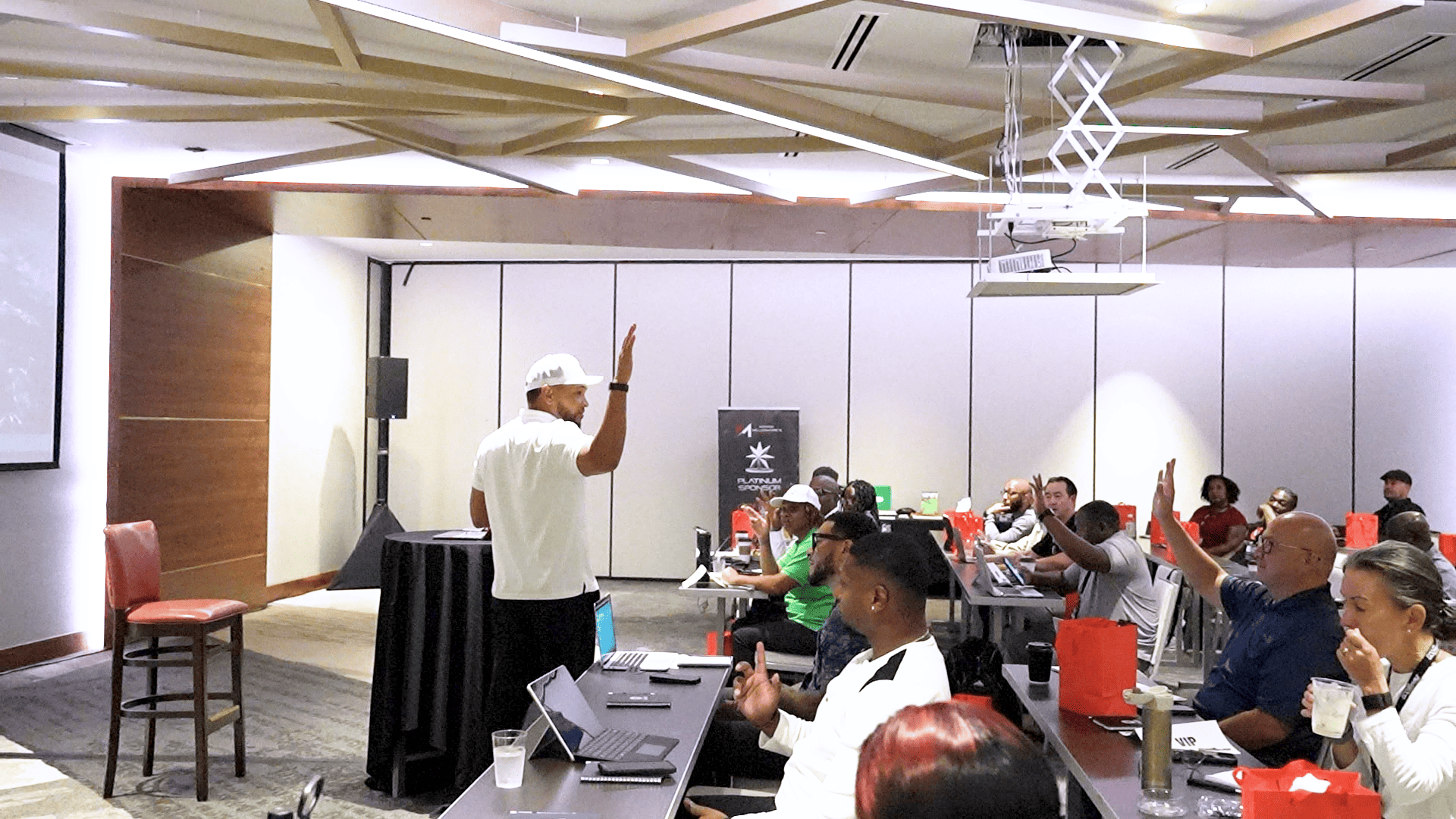
In a conversation with Dearonne Bethea, David Wayne, founder and CEO of Silver Summit Consulting, discusses how U.S. business owners can build remote teams with skilled professionals in the Philippines. His approach challenges the idea that offshore hiring is simply about finding cheaper labor. Instead, he emphasizes the importance of relationships, company culture, employee development, communication, and technology in building teams that contribute meaningfully to business growth.
With more than 125 team members supporting over 40 clients across the United States, Silver Summit Consulting demonstrates how global talent can help businesses increase capacity, improve operations, and manage costs without treating remote employees as disconnected contractors.
For entrepreneurs looking to scale efficiently, the conversation offers an important lesson: building a successful business requires more than finding people to complete tasks. It requires creating a team that understands the company’s objectives and is invested in achieving them.
Why Global Talent Is Becoming a Strategic Advantage for Business Owners
As businesses grow, their operational demands grow with them. More customers mean additional communication, more transactions require stronger administrative support, and expanding operations create new responsibilities across departments. Without the right people and systems, business owners can quickly become the bottleneck preventing their companies from moving forward.
Traditionally, many entrepreneurs have approached this challenge by hiring additional employees within their local markets. However, local recruitment can involve significant expenses, competition for qualified professionals, and limited access to certain skill sets. These challenges can make it difficult for growing businesses to increase their capacity while maintaining healthy operating costs.
Global hiring offers another way to approach the problem. Rather than restricting recruitment to a single geographical location, business owners can access professionals in other countries who possess the skills and experience needed to support their operations.
The Philippines has become an important destination for businesses exploring this model. Companies can connect with professionals who provide administrative support, accounting assistance, customer service, marketing, operations, and other specialized services.
For U.S. entrepreneurs, this creates an opportunity to build teams that support business functions without necessarily carrying the same staffing costs associated with hiring locally.
However, the real advantage is not simply the potential reduction in expenses. It is the ability to access talent, delegate responsibilities, establish more efficient processes, and give business owners additional time to focus on strategy and growth.
This connects with a broader principle in entrepreneurship: businesses need systems that can operate effectively without requiring the owner to personally manage every task. Dearonne Bethea explores this principle through his business growth and entrepreneurship resources, where business owners can learn more about building stronger operations and developing a mindset for sustainable growth.
The Myth of Remote Disconnection
One of the most common concerns surrounding offshore hiring is the belief that physical distance makes it difficult to build meaningful working relationships. Some business owners worry that remote employees may feel disconnected from the organization, misunderstand expectations, or struggle to collaborate with teams operating in different locations.
David Wayne challenges this assumption. According to him, the clients who experience the greatest value from offshore teams are those who make a genuine effort to communicate, establish relationships, and involve their remote employees in the business.
In other words, distance does not automatically create disconnection. The quality of the working relationship depends largely on how the business chooses to manage it.
Silver Summit Consulting addresses this challenge through consistent virtual collaboration. Its team members work in shared virtual workspaces throughout their shifts, creating opportunities for real-time communication and interaction between colleagues and clients.
This approach helps make remote work feel more integrated into everyday business operations. Rather than assigning tasks and waiting for occasional updates, team members have opportunities to communicate, ask questions, share information, and collaborate as work progresses.
The company also organizes in-person events in the Philippines to strengthen relationships among employees and create a stronger sense of community. These interactions reinforce the idea that remote employees should not be treated as anonymous workers operating behind computer screens.
For business owners, the lesson is straightforward: hiring internationally does not remove the responsibility of leadership. Remote employees still need clear expectations, regular communication, constructive feedback, and opportunities to understand the organization they are supporting.
A successful remote team is built through intentional management, not simply through access to technology.
Building Loyalty Through Company Culture
Hiring skilled professionals is important, but retaining them and creating an environment where they can perform consistently is equally valuable. This is where company culture becomes an important part of global workforce management.
Silver Summit Consulting’s mission, described by Wayne as “raising the profile of the Filipino,” gives its team members a purpose that extends beyond completing daily assignments. The mission emphasizes the value of Filipino professionals and their contributions to businesses operating internationally.
This sense of purpose can influence how employees view their work, their professional development, and their relationship with the organization. When employees feel respected and understand the value of their contributions, they may become more engaged in the company’s objectives.
The conversation highlights how this approach has supported client operations in different industries. Silver Summit’s team members have helped manage full accounting operations for large U.S. vacation-rental companies and supported outdoor brands working toward expansion into major retail chains, including Walmart.
Wayne also shared that some clients have achieved operating cost savings of up to $170,000 annually. These figures illustrate the potential financial impact of building an appropriately structured offshore team, although actual savings will depend on the business, roles, staffing arrangements, and operational requirements.
The broader lesson is that culture should not be treated as an optional feature of remote workforce management. It can influence employee engagement, accountability, collaboration, and retention.
For business owners, building a strong company culture means making sure that employees understand the organization’s mission, know how their responsibilities contribute to its success, and feel that their work is valued.
The Right People, Not Just the Right Price
One of the most important points Wayne raises is that offshore recruitment should not be driven entirely by the desire to find the lowest possible labor cost.
Although reducing expenses can be an important reason for exploring global hiring, selecting employees based only on price can create problems later. A business may save money during recruitment but lose valuable time and resources if the person hired lacks the necessary skills, commitment, communication abilities, or willingness to work within a team.
Silver Summit prioritizes what Wayne describes as an “employee mindset” rather than a “freelancer mindset.” The company looks for professionals who value stability, teamwork, accountability, and a longer-term working relationship.
This distinction matters because different businesses require different types of support. A company looking for occasional project assistance may benefit from freelance arrangements. However, a growing organization that needs consistent operational support may require employees who become familiar with its processes, customers, systems, and expectations.
Long-term integration can help remote professionals develop a deeper understanding of the business. Over time, they may become more familiar with recurring challenges, recognize opportunities to improve workflows, and contribute beyond the tasks originally assigned to them.
Silver Summit also pairs clients with dedicated onboarding specialists to support the transition. This helps businesses introduce new team members, establish expectations, and address potential challenges during the early stages of the working relationship.
The company’s approach reflects a partnership-based model rather than a simple process of filling vacancies. Business owners are not only looking for someone to complete a task; they are building a working relationship that should contribute to the organization’s wider objectives.
Businesses exploring global recruitment can learn more about Silver Summit’s approach through its official website, which outlines its remote team strategies and service model.
Why Onboarding and Communication Matter When Hiring Globally
Recruitment is only the beginning of building an effective team. Even highly qualified professionals need an understanding of the business, its systems, expectations, communication standards, and performance objectives.
This is particularly important when employees are working remotely from another country. Without a structured onboarding process, new team members may struggle to understand how their responsibilities connect with other departments or how their work should be prioritized.
A strong onboarding process should introduce employees to the company’s mission, organizational structure, tools, workflows, and reporting expectations. It should also clarify who they report to, how performance will be evaluated, and where they can seek assistance when challenges arise.
Communication should continue beyond the first few weeks. Regular check-ins, team meetings, shared workspaces, and constructive feedback can help employees remain connected to the organization and understand how their work contributes to broader business goals.
Business owners should also establish clear documentation for recurring tasks. When processes are documented, employees have a reliable reference point, managers can maintain consistency, and businesses become less dependent on the owner answering every operational question.
These practices are useful whether employees work locally or internationally. However, they become particularly valuable when managing teams across geographical boundaries.
Embracing AI and the Future of Work
Artificial intelligence is changing how businesses manage operations, communicate with customers, analyze information, and complete repetitive tasks. As these technologies become more accessible, companies are increasingly exploring how AI can improve productivity and support decision-making.
During the conversation, Wayne explains that Silver Summit is actively integrating AI into its daily operations. Examples include appointment scheduling and data analysis, while employees are being trained to work alongside AI tools rather than view them as a threat.
This approach reflects an important shift in how businesses should think about technology. AI does not have to be viewed as a replacement for every human role. In many situations, it can support employees by reducing repetitive work, improving access to information, and allowing professionals to concentrate on responsibilities that require judgment, communication, and problem-solving.
For example, AI-assisted scheduling can help organize appointments and reduce administrative back-and-forth. Data analysis tools can help teams review information more efficiently, identify patterns, and prepare insights that support business decisions.
However, technology alone does not guarantee better performance. Businesses need employees who understand how to use these tools responsibly, recognize their limitations, and verify important outputs.
Wayne’s position is that businesses that fail to learn how to leverage AI risk falling behind competitors that use technology more effectively. For entrepreneurs, this makes continuous learning an important part of building a competitive organization.
Business owners interested in developing stronger operational systems can explore Dearonne Bethea’s Business Mastermind resources, which include topics such as operations management, global sourcing, technology, and scaling.
How Global Talent Can Help Businesses Scale More Efficiently
One of the biggest challenges for a growing business is increasing its capacity without allowing expenses and operational complexity to grow uncontrollably.
A business may have strong demand for its products or services but lack the internal resources to handle additional customers. In other situations, the owner may spend too much time managing administrative work, responding to routine enquiries, organizing information, or coordinating daily operations.
Global talent can help address these challenges by allowing businesses to delegate specific responsibilities to qualified professionals.
Depending on the organization’s needs, remote team members may support areas such as:
- Administrative operations: Managing schedules, organizing documents, updating records, and supporting daily business activities.
- Customer service: Responding to customer enquiries, handling communication, and providing ongoing support.
- Accounting support: Assisting with bookkeeping processes, financial records, reconciliations, and administrative accounting tasks under appropriate supervision.
- Marketing: Supporting content production, campaign coordination, graphic design, email marketing, and other marketing activities.
- Business operations: Coordinating workflows, updating reports, supporting internal teams, and helping maintain operational systems.
- Property management: Assisting with guest communication, vendor coordination, property-related administration, and other support functions.
The purpose of delegation is not simply to transfer work to another person. It is to create a structure in which responsibilities are handled consistently and the business owner can focus on activities that require their direct involvement.
For example, an entrepreneur who spends several hours each day managing routine administrative responsibilities may struggle to focus on strategic planning, customer acquisition, partnerships, and business development. With the right support team, some of these responsibilities can be delegated, creating more time for higher-value activities.
This does not mean that every task should be outsourced. Business owners must identify which responsibilities can be delegated, which require local knowledge or direct supervision, and which should remain under the control of leadership.
The objective is to build a team structure that supports growth without compromising quality, accountability, or customer experience.
Why Founders Choose a Partnership-Based Approach
According to the conversation, Wayne brings more than 20 years of CFO experience to his work with business owners. This background influences his approach to helping companies build efficient operating systems rather than simply filling vacant positions.
The distinction is important because hiring is only one part of the scaling process. Businesses also need to understand their financial position, identify operational gaps, establish responsibilities, and determine how additional team members will contribute to performance.
A company may hire several employees and still struggle if its workflows are unclear, its management structure is weak, or its expectations are poorly communicated.
A more strategic approach begins by understanding the business. Which responsibilities are consuming the most time? Where are operational bottlenecks occurring? Which tasks require specialized skills? What processes can be standardized? How will the new team members be managed and evaluated?
These questions help business owners determine what kind of support they actually need before beginning recruitment.
Silver Summit’s onboarding and client support model reflects this partnership-based philosophy. Instead of treating recruitment as a transaction that ends when a person is hired, the company emphasizes matching professionals with business requirements and supporting the working relationship.
For entrepreneurs, this is an important consideration when selecting an offshore staffing partner. The right provider should understand the business’s needs, communicate clearly, support the onboarding process, and help create a structure that allows the team to contribute effectively.
What Business Owners Should Consider Before Building a Global Team
Global hiring can create valuable opportunities, but it requires planning. Before recruiting internationally, business owners should consider several important factors.
1. Identify the operational gaps. Start by determining which responsibilities are taking up too much time or preventing the business from operating efficiently. Avoid hiring simply because other businesses are doing it.
2. Define the roles clearly. Establish the responsibilities, required skills, expected working hours, reporting structure, and performance standards for each position.
3. Evaluate the total cost. Consider more than the advertised staffing rate. Account for recruitment, onboarding, management, software, training, communication tools, and any relevant compliance or administrative costs.
4. Establish communication systems. Determine how team members will communicate, share updates, report challenges, and collaborate with other employees.
5. Create an onboarding process. Provide the information, training, and resources employees need to understand the organization and perform their responsibilities effectively.
6. Prioritize culture and accountability. Make remote employees part of the wider team. Establish clear expectations while creating opportunities for collaboration, feedback, and professional development.
7. Review performance regularly. Monitor the quality of work, productivity, communication, and contribution to business objectives. Use performance reviews to identify areas for improvement and recognize progress.
Business owners should also understand the employment, tax, data protection, and contractual requirements that may apply when engaging professionals in another country. Appropriate legal, accounting, and human resources guidance can help ensure that international arrangements are structured responsibly.
Building a Business That Can Grow Beyond the Owner
A common challenge among entrepreneurs is becoming too involved in the daily activities of their businesses. When the owner is responsible for every decision, approval, customer issue, and operational task, growth can become difficult to sustain.
Building a capable team is one way to reduce this dependence. However, delegation must be supported by effective processes, clear responsibilities, and reliable management systems.
This is closely connected to the idea of building a business that can operate without requiring the owner to oversee every detail. Employees need the authority, information, and resources to complete their responsibilities, while leadership focuses on direction, performance, and long-term planning.
Global talent can contribute to this structure by expanding the available workforce and allowing businesses to distribute responsibilities more effectively.
Dearonne Bethea’s work in entrepreneurship and business development emphasizes the importance of systems, strategic hiring, and operational efficiency. Entrepreneurs looking to strengthen these areas can explore the Business & Multifamily Blueprint Community, which provides educational resources and a network focused on building and scaling businesses.
The Future of Business Growth Is Built on People, Systems, and Technology
The conversation with David Wayne highlights an important lesson for business owners: global talent should not be viewed only as a cost-saving measure. When approached strategically, it can become a valuable part of a company’s growth model.
Silver Summit Consulting’s approach combines recruitment, onboarding, virtual collaboration, employee culture, and technology to create remote teams that are integrated into the businesses they support. Its experience working with more than 40 U.S. clients and over 125 team members illustrates how this model can support organizations across different operational needs.
However, the success of global hiring ultimately depends on the business owner’s willingness to build meaningful working relationships. Skilled professionals need clear direction, communication, opportunities to contribute, and an environment where their work is valued.
As artificial intelligence continues to influence business operations, companies must also prepare their teams to use technology effectively. The combination of skilled people, reliable systems, and appropriate tools can help businesses improve productivity while creating more room for strategic growth.
For entrepreneurs who feel stretched between managing daily operations and pursuing bigger opportunities, global talent may offer a practical way forward. The goal is not simply to hire more people or spend less money. It is to build an organization with the capacity, structure, and relationships needed to grow sustainably.
As Wayne’s message suggests, remote does not have to mean removed. The more intentionally a business invests in its people, the stronger the working relationship can become.
Explore more conversations and practical insights through the Dearonne Bethea Podcast and continue learning how the right people, systems, and strategies can help build a business designed for long-term success.
Frequently Asked Questions About Global Talent and Remote Teams
1. What is global talent in business?
Global talent refers to skilled professionals who are recruited from different countries to support a company’s operations. Businesses may hire international employees or work with remote professionals in areas such as administration, accounting, customer service, marketing, technology, and business operations.
2. Why do U.S. businesses hire professionals in the Philippines?
U.S. businesses may hire professionals in the Philippines to access a wider talent pool, fill operational roles, increase workforce capacity, and manage staffing costs. The country also has an established outsourcing and remote-work sector supporting a variety of business functions.
3. Does hiring offshore employees reduce business costs?
It can. Offshore hiring may reduce certain staffing expenses compared with local recruitment. However, the total cost depends on the role, experience level, recruitment arrangements, management requirements, training, software, and other operational expenses. Businesses should evaluate the complete cost rather than focusing only on hourly rates or salaries.
4. How can business owners manage remote employees effectively?
Effective remote management requires clear responsibilities, consistent communication, structured onboarding, documented processes, regular performance reviews, and opportunities for collaboration. Employees should understand the company’s objectives and know how their work contributes to overall business performance.
5. What types of jobs can be outsourced to global teams?
Businesses may outsource administrative support, bookkeeping assistance, customer service, marketing, graphic design, data entry, appointment scheduling, property management support, and other operational responsibilities. The appropriate roles depend on the company’s needs and the professional skills required.
6. How can businesses build a strong culture with offshore employees?
Businesses can build a strong remote culture by communicating their mission, involving offshore employees in relevant discussions, recognizing contributions, providing feedback, supporting professional development, and creating opportunities for team interaction. Employees should feel included in the organization rather than treated as external task providers.
7. What is the difference between hiring a freelancer and building a remote team?
Freelancers are often engaged for specific projects or defined services, while a remote team may involve professionals who provide ongoing support and become integrated into the company’s operations. The best arrangement depends on the business’s workload, required skills, and long-term staffing needs.
8. How does AI support remote teams?
AI can assist remote teams with repetitive administrative work, appointment scheduling, information processing, data analysis, and other tasks. When used appropriately, these tools can help employees improve efficiency and focus on responsibilities that require human judgment, communication, and problem-solving.
9. What should a business consider before hiring an offshore team?
Business owners should identify their operational needs, define job responsibilities, evaluate the total cost, establish communication systems, prepare onboarding processes, and understand relevant employment, tax, contractual, and data protection requirements.
10. How can global talent help a business scale?
Global talent can help businesses increase operational capacity, delegate routine responsibilities, access specialized skills, and improve workflow efficiency. When supported by strong management systems and effective communication, remote teams can give business owners more time to focus on strategy, customer relationships, and expansion.