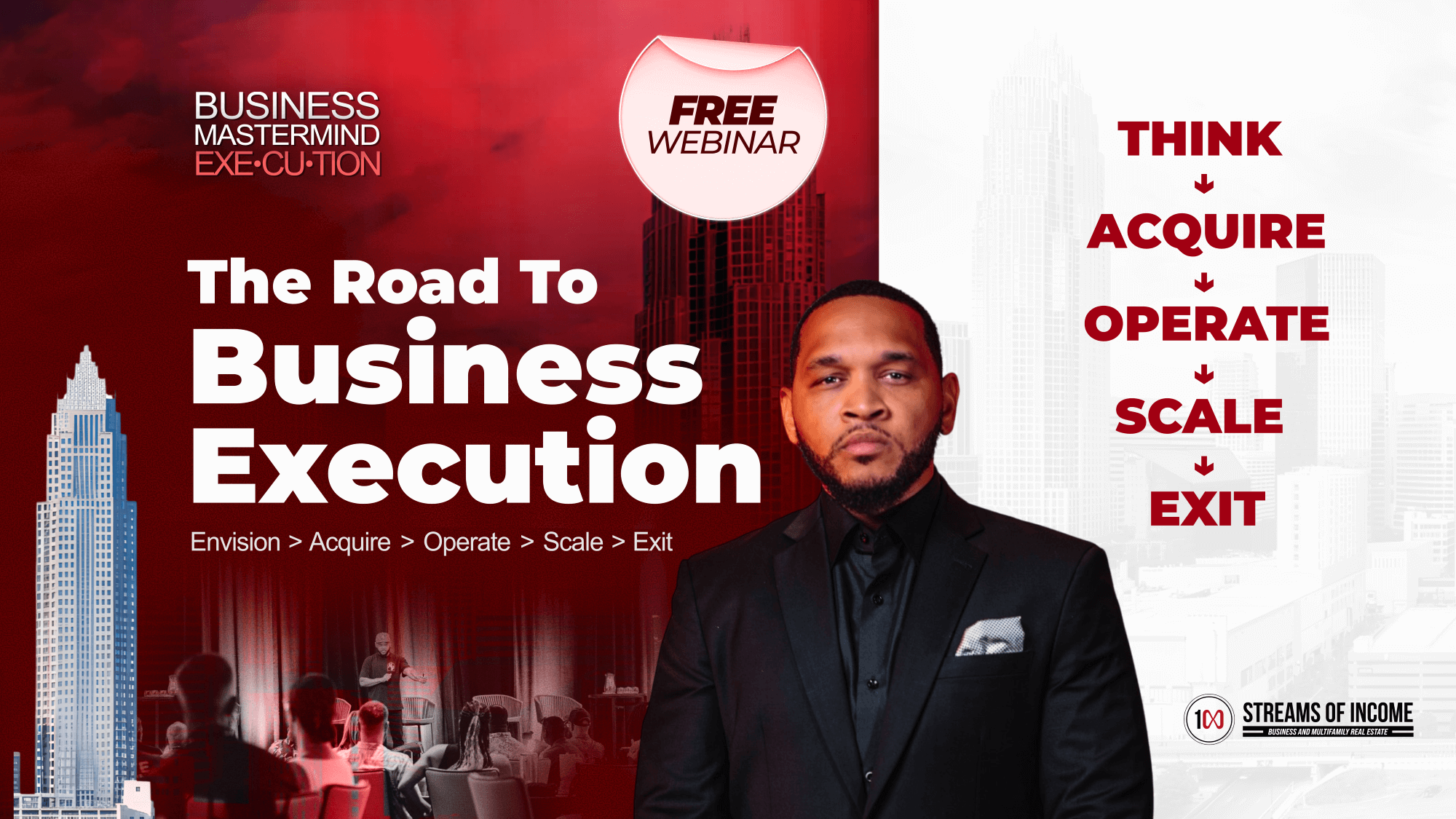
Entrepreneurship and investing are often viewed as two separate paths to financial success. Entrepreneurs build businesses, develop products, serve customers, and create solutions to real-world problems. Investors, on the other hand, allocate capital to assets and opportunities they believe will generate value over time. Although these roles have different responsibilities, they share a common foundation: strategic thinking, calculated risk-taking, long-term vision, and disciplined decision-making.
When entrepreneurs learn to think like investors, they begin to approach business decisions differently. Instead of focusing exclusively on generating revenue, they consider profitability, cash flow, asset growth, and the long-term value their businesses can create. Similarly, investors who adopt an entrepreneurial mindset become more attentive to emerging opportunities, business models, market needs, and the potential to create value rather than simply acquire assets.
This connection becomes especially important when the goal extends beyond building a successful business to creating sustainable wealth. Dearonne Bethea’s approach to business development, real estate investment, and long-term wealth building reflects the importance of looking beyond immediate earnings and considering how today’s decisions can support future financial opportunities. Through the integration of entrepreneurship, investment principles, and strategic planning, business owners can begin building a foundation for financial growth that extends beyond a single venture.
Understanding the relationship between investing and entrepreneurship can help individuals make more informed decisions about their money, business opportunities, and long-term goals. More importantly, it can help them recognize that building a business is not necessarily the final destination. It can also be the starting point for creating assets, diversifying income, and establishing a lasting financial legacy.
Understanding the Investor-Entrepreneur Connection
An investor allocates capital with the expectation of generating a return, while an entrepreneur builds and operates a business to create value for customers and generate revenue. Although their immediate objectives may differ, both must evaluate opportunities, assess risks, allocate resources, and make decisions without knowing exactly what the future holds.
An investor may study a company’s financial performance, management, market position, and growth potential before committing capital. An entrepreneur performs a similar evaluation when deciding whether to launch a product, enter a new market, hire employees, purchase equipment, or expand operations. Both are making decisions about where to place limited resources in pursuit of a desired outcome.
The difference becomes less pronounced when an entrepreneur begins considering the financial implications of everyday business decisions. Rather than asking only whether a new project could increase sales, the entrepreneur also considers how much it will cost, how long it will take to become profitable, what risks are involved, and whether the potential return justifies the investment.
This is where an investor’s mindset becomes valuable. It encourages business owners to look beyond activity and focus on value. A business can generate substantial revenue without producing healthy profits, and a company can experience rapid growth while accumulating unsustainable expenses. Evaluating performance through an investment lens helps entrepreneurs distinguish between growth that strengthens the business and growth that introduces unnecessary financial pressure.
For Dearonne Bethea’s audience, this connection is particularly relevant to the broader goal of building wealth through entrepreneurship and real estate. Business ownership can create opportunities to generate income, while investing can provide a framework for putting that income to work. When these activities are approached strategically, they can complement one another in a long-term financial plan.
From Business Owner to Investor: The Natural Transition
For many entrepreneurs, establishing a profitable business is a major achievement. It can provide greater financial independence, create employment opportunities, and generate capital for future plans. However, earning money through a business and building lasting wealth are not always the same thing.
A business owner may spend years developing a company but remain financially dependent on its daily operations. If the business experiences a downturn, loses a major customer, or requires the owner’s full attention, personal income may also be affected. This dependence can become a challenge when the entrepreneur wants greater flexibility, financial resilience, or the ability to pursue opportunities outside the original business.
One way to address this challenge is to consider how a portion of business profits could be allocated toward investments and other assets. Rather than directing every available dollar back into the same company, an entrepreneur can evaluate whether some capital should support additional income-producing opportunities.
The appropriate approach depends on the business’s financial health, existing obligations, available reserves, and the owner’s goals. Reinvestment may mean purchasing equipment that improves productivity, expanding into a promising market, acquiring another business, investing in real estate, or building a diversified investment portfolio.
The important principle is to make these decisions deliberately. Before moving money from a business into an investment, entrepreneurs should understand the capital requirements of their existing operations, maintain appropriate financial reserves, and assess the risks associated with the proposed opportunity.
Real estate is one possible avenue for entrepreneurs who want to explore investments beyond their primary businesses. Depending on the property, financing arrangements, management costs, and market conditions, real estate may provide rental income, potential appreciation, or opportunities to develop equity over time. However, these outcomes are not guaranteed, and property ownership can involve significant expenses, vacancies, debt obligations, and market risks.
The transition from entrepreneur to investor is therefore not simply about purchasing assets. It involves learning to evaluate opportunities, understand risk, manage capital, and determine how each investment fits into a broader financial strategy.
Learning from Institutional and Community Investors
Investing does not always require individuals to manage every opportunity independently. Institutional investors, investment groups, and other pooled-capital arrangements demonstrate how capital can be organized to pursue opportunities that may be difficult for one person to finance alone.
Institutional investors generally include organizations such as pension funds, insurance companies, investment funds, and other large entities that allocate capital according to specific objectives and investment mandates. Depending on the structure and requirements of a particular investment, these organizations may participate in real estate, private businesses, public markets, and other asset classes.
Community-based investor networks and investment groups operate in different ways, but they can also create opportunities for people to connect, exchange knowledge, and explore potential partnerships. For entrepreneurs, these networks may offer access to individuals with complementary expertise, financial resources, or industry experience.
Programs and networks such as Investor Connect can serve as a starting point for exploring relationships between entrepreneurs and potential investors. The value of such connections depends on the network’s structure, the opportunities available, and the suitability of the participants involved. Entrepreneurs should independently verify the terms of any program or proposed investment arrangement before committing resources.
The broader lesson is that business growth does not always have to be financed exclusively through personal savings or the profits of an existing company. Depending on the business model, entrepreneurs may explore suitable funding options, including strategic partnerships, private investment, business loans, or other forms of financing.
However, outside capital comes with responsibilities. Investors may expect financial returns, ownership interests, reporting obligations, or some degree of influence over business decisions. Borrowed funds must be repaid according to the agreed terms, regardless of whether a business performs as expected.
Entrepreneurs should therefore understand the advantages and obligations of each funding arrangement before proceeding. A strong partnership requires more than access to money; it requires compatible objectives, clear agreements, responsible communication, and a shared understanding of risk.
For individuals interested in developing their financial knowledge and connecting with others pursuing similar goals, the Road to 100 Streams of Income community may be a useful place to explore the broader conversation around business, investing, and multiple income opportunities.
Applying Investment Principles to Business Strategy
One of the most practical ways to combine investing and entrepreneurship is to apply investment principles to everyday business decisions. These principles can help entrepreneurs allocate resources more carefully, prepare for uncertainty, and prioritize long-term value over short-term excitement.
Evaluate opportunities before committing capital. Investors typically examine the potential benefits and risks of an opportunity before making a financial commitment. Entrepreneurs can apply the same discipline when considering a new product, service, location, or marketing campaign. Instead of investing simply because an idea sounds promising, they can research customer demand, estimate costs, identify competitors, and establish measurable objectives. This process will not eliminate uncertainty, but it can reveal weaknesses before they become expensive problems.
Understand risk rather than assuming it can be avoided. Every business decision involves some level of uncertainty. A new product may not attract enough customers, a marketing campaign may underperform, or an expansion may require more capital than anticipated. Successful planning does not depend on pretending these risks do not exist. It involves identifying potential challenges, evaluating their possible consequences, and deciding which risks are reasonable given the available resources and expected benefits.
Maintain a margin of safety. In investing, a margin of safety generally refers to allowing room for error when evaluating an asset or opportunity. In entrepreneurship, this principle can be applied by maintaining adequate cash reserves, avoiding excessive debt, using conservative financial projections, and preparing for unexpected expenses. A business that commits all its available capital to expansion may struggle when revenue falls short of expectations. Preserving financial flexibility can help an entrepreneur respond to setbacks without immediately threatening the company’s operations.
Prioritize long-term value over short-term appearances. High revenue, rapid expansion, and public recognition may look impressive, but they do not necessarily indicate that a business is financially healthy. Entrepreneurs should also consider profitability, customer retention, operating efficiency, reputation, and the strength of their systems. Investments in employee development, customer service, technology, and sound financial management may not produce immediate results, but they can strengthen a business over time.
Measure the return on business decisions. Investors evaluate whether the expected return justifies the resources committed to an opportunity. Entrepreneurs can use a similar approach by tracking relevant measures, such as profit margins, customer acquisition costs, repeat purchases, operating expenses, and cash flow. These measurements help business owners identify which activities contribute meaningfully to their objectives and which may require adjustment.
Remain adaptable when conditions change. Markets, customer preferences, technology, and economic conditions can shift unexpectedly. Entrepreneurs who monitor these developments and review their assumptions are better positioned to adjust their strategies when necessary. Flexibility does not mean abandoning long-term goals whenever a challenge arises. It means being willing to change the approach when the available evidence suggests a better path.
When these principles become part of everyday operations, investment thinking moves beyond financial markets and becomes a practical framework for building a more resilient business.
| Date written | 23/10/2026 |
| Date Posted |
Real Estate and Diversified Income: A Bridge Between Entrepreneurship and Investing
Real estate is one of the areas where entrepreneurship and investing frequently intersect. Property-related opportunities may involve purchasing rental properties, acquiring multifamily assets, renovating buildings, managing properties, developing real estate, or investing through an entity that owns or operates property.
Each approach requires a different combination of capital, expertise, time, and risk tolerance. Direct property ownership may give an investor greater control over decisions, but it can also require substantial financial resources and ongoing involvement. Investing through a real estate company or another pooled structure may provide access to opportunities without requiring the investor to manage every property directly, although fees, governance arrangements, liquidity restrictions, and investment risks vary.
For entrepreneurs, real estate can represent a way to diversify beyond the business that generates their primary income. For example, a business owner with stable profits may investigate whether acquiring a suitable rental property aligns with their financial objectives. Another entrepreneur may decide that strengthening the existing business, paying down debt, or building cash reserves is a more appropriate priority.
Neither decision is automatically correct. The right choice depends on the entrepreneur’s current financial position, the quality of the opportunity, the time available for management, and the potential consequences if the investment performs poorly.
Real estate may generate income through rent and may appreciate in value over time, but neither outcome is assured. Investors must account for property taxes, insurance, repairs, maintenance, vacancies, management fees, financing costs, and other expenses. Changes in interest rates, local demand, and property values can also affect the financial performance of an investment.
This is why research and due diligence matter. Entrepreneurs considering property investment should understand the market, evaluate the property’s financial assumptions, investigate relevant legal and regulatory requirements, and consider whether the investment remains manageable under less favorable conditions.
Those exploring this area can learn more about Dearonne Bethea’s focus on real estate investment strategies. The purpose of this research should be to develop a better understanding of available approaches and determine which, if any, fit an individual’s goals and circumstances.
Ultimately, real estate is one possible component of a broader investment strategy, not a guaranteed route to financial independence. Its value depends on the quality of the decisions made before, during, and after an investment.
Building a Long-Term Strategy: Business, Investment, and Vision
A long-term wealth-building strategy requires more than finding profitable opportunities. It involves deciding how income will be generated, how capital will be allocated, how risks will be managed, and how financial progress will be measured over time.
Entrepreneurs can begin by identifying what they want their business to accomplish. For some, the priority may be establishing a profitable company that provides reliable income. Others may want to expand into new markets, acquire additional businesses, develop a real estate portfolio, or eventually reduce their involvement in daily operations.
These goals influence the decisions that follow. An entrepreneur who wants to expand a company may need to prioritize working capital, staff development, and operational systems. Someone preparing to invest outside the business may need to establish financial reserves, reduce expensive debt, and develop an investment plan based on their resources and risk tolerance.
The next step is to establish a clear process for allocating profits. Instead of making investment decisions impulsively, entrepreneurs can determine what portion of available funds should support business operations, what should be retained as reserves, and what may be available for investment after existing obligations are considered.
Diversification can also play an important role. Depending on their circumstances, individuals may explore different asset classes, industries, or income sources rather than relying entirely on one business or investment. Diversification can help reduce exposure to some concentrated risks, but it does not eliminate the possibility of losses or guarantee positive returns.
The concept of building multiple income streams, reflected in the Road to 100 Streams of Income community, encourages people to think beyond a single source of earnings. However, the objective should not simply be to accumulate as many income streams as possible. Each opportunity requires time, attention, capital, and management. A smaller number of well-understood, sustainable income sources may be more suitable than several poorly managed ventures.
Long-term planning should also account for the transfer and preservation of wealth. Entrepreneurs who want their financial progress to benefit future generations may eventually need to consider estate planning, appropriate legal structures, asset protection, and the financial education of family members. These matters often require guidance from qualified legal, tax, and financial professionals.
The broader principle is that wealth creation becomes more intentional when business income, investment decisions, and long-term objectives are considered together. A business can provide the resources to pursue investments, while a carefully managed investment strategy can help an entrepreneur work toward financial goals beyond the life of that business.
Thinking Like an Investor: The Entrepreneur’s Competitive Edge
Entrepreneurs who adopt an investor’s mindset often become more deliberate about how they measure success. Rather than focusing exclusively on sales or the number of customers acquired, they examine whether the business is producing sustainable profits, using capital efficiently, and building value over time.
Consider an entrepreneur deciding whether to open a second location. A revenue-focused approach might emphasize the possibility of reaching more customers and increasing sales. An investment-focused approach asks additional questions: What will the new location cost to establish? How much working capital will it require? What level of demand is realistic? How long might it take to become profitable? What happens if sales fall below expectations?
These questions do not discourage growth. They help ensure that growth is supported by evidence, resources, and a reasonable understanding of the risks involved.
The investor’s mindset can also encourage entrepreneurs to examine how dependent their businesses are on their personal involvement. If every important decision, customer relationship, and operational task depends on the owner, the business may become difficult to scale or operate without them. Developing reliable processes, documenting responsibilities, training employees, and establishing sound financial reporting can make operations more consistent and improve the owner’s ability to evaluate the business objectively.
The relationship works in the opposite direction as well. Investors who think like entrepreneurs may become more attentive to the people, systems, and market opportunities behind an asset. They may ask what creates demand, how a business differentiates itself, what customers value, and where improvements could create additional value.
This perspective can be particularly useful when evaluating private businesses, real estate operations, and other investments whose performance depends on effective management rather than market movements alone.
Ultimately, the combination of entrepreneurship and investing encourages a broader definition of success. Revenue matters, but so do profitability, financial stability, risk management, and the ability to sustain progress through changing conditions.
How to Begin Combining Entrepreneurship With Investing
Entrepreneurs do not need to build a large investment portfolio immediately to begin applying these principles. The process can start with a careful review of the business they already operate and the financial decisions they make every day.
Begin by understanding the numbers. Review revenue, expenses, profit margins, debt obligations, and cash flow to determine the business’s actual financial position. Clear financial records make it easier to distinguish between money available for investment and money needed to support operations.
Next, establish priorities. Identify whether the immediate need is to strengthen the business, repay debt, increase emergency reserves, or explore investment opportunities. Pursuing an investment while the business is struggling to meet its obligations may create unnecessary financial pressure.
Then, develop an investment framework. Consider your objectives, time horizon, risk tolerance, available capital, and the level of involvement you are prepared to accept. Research different opportunities and evaluate them according to consistent criteria rather than relying on excitement, social pressure, or promises of unusually high returns.
It is also important to build financial knowledge. Understanding concepts such as cash flow, return on investment, diversification, debt, liquidity, and compound growth can improve the quality of decisions. The U.S. Securities and Exchange Commission’s Investor.gov resources provide educational information about investing, financial products, and investment risks. Entrepreneurs researching business development can also consult the U.S. Small Business Administration’s business planning resources for guidance on evaluating and planning a business.
Finally, review your progress regularly. Business performance and investment conditions can change, so your strategy should be reviewed as your circumstances evolve. This does not mean reacting to every market movement or abandoning a plan whenever results fluctuate. It means checking whether your decisions continue to support your objectives and making informed adjustments when necessary.
The goal is not to become an expert in every type of investment. It is to develop the discipline to evaluate opportunities, understand trade-offs, and make financial decisions that align with your long-term plans.
The Bigger Picture: Creating Wealth Beyond One Business
The relationship between entrepreneurship and investing becomes clearer when viewed through the lens of long-term wealth creation. Entrepreneurship can provide a way to generate income, solve problems, build relationships, and create economic value. Investing offers a framework for allocating some of the capital generated through those activities toward other opportunities.
When combined thoughtfully, these approaches may help individuals reduce their dependence on a single source of income, explore additional opportunities, and build assets that support their financial objectives. However, meaningful progress requires more than ambition. It depends on financial discipline, careful research, realistic expectations, and an understanding that every opportunity carries risks.
Dearonne Bethea’s focus on business development, real estate investment, and long-term wealth building provides a context for considering how these principles can work together. Entrepreneurs can explore how to strengthen their businesses while also evaluating whether investments outside their primary operations make sense for their circumstances.
The key is to avoid treating business ownership and investing as competing paths. They can be complementary parts of a broader strategy, with the business generating income and investments offering additional avenues for potential growth.
At the same time, diversification should not become an excuse to pursue every available opportunity. Sustainable progress often comes from understanding a few well-chosen opportunities, managing them responsibly, and making decisions with a clear view of both immediate needs and long-term objectives.
Conclusion: Bringing Business Building and Smart Investing Together
Entrepreneurship and investing share a fundamental principle: resources should be allocated thoughtfully to create value. Entrepreneurs apply this principle when developing products, serving customers, and expanding operations. Investors apply it when evaluating assets, assessing risk, and deciding where to commit capital.
Bringing these mindsets together allows business owners to consider not only how they can earn money today but also how their decisions may influence their financial position in the future. It encourages them to evaluate profitability, maintain financial flexibility, diversify thoughtfully, and consider how business income might support broader wealth-building goals.
For entrepreneurs interested in real estate, multiple income streams, or long-term wealth creation, the first step is not necessarily to make another investment. It is to understand the financial position they are starting from, identify their objectives, and develop a strategy grounded in research and realistic expectations.
Building a successful business can be an important achievement. Learning to manage the income it generates, evaluate additional opportunities, and plan for the future can help turn that achievement into part of a more comprehensive financial strategy.
Ultimately, the connection between investing and entrepreneurship lies in the ability to think beyond immediate results. By combining entrepreneurial initiative with investment discipline, individuals can make more intentional decisions about their money, their businesses, and the kind of financial future they want to build.
Frequently Asked Questions
1. What is the relationship between investing and entrepreneurship?
Investing and entrepreneurship both involve evaluating opportunities, allocating resources, managing risk, and working toward long-term objectives. Entrepreneurs build and operate businesses, while investors allocate capital in pursuit of potential returns. Combining these approaches can help business owners make more informed decisions about profitability, reinvestment, and future growth.
2. Can an entrepreneur also be an investor?
Yes. An entrepreneur can invest in assets or other businesses while continuing to operate their own company. For example, a business owner might allocate some available profits toward real estate, investment funds, or another business after accounting for operating expenses, debt obligations, and financial reserves. The appropriate approach depends on the individual’s resources, goals, and tolerance for risk.
3. How can investing help entrepreneurs build long-term wealth?
Investing may give entrepreneurs opportunities to allocate capital beyond their primary businesses. Depending on the investments selected and their performance, this may support diversification, potential income generation, or long-term asset growth. However, investments can lose value, and returns are not guaranteed. Entrepreneurs should research opportunities carefully and consider their overall financial circumstances before committing money.
4. Why is real estate a common investment option for entrepreneurs?
Real estate can offer potential rental income, property appreciation, and opportunities to build equity. Some entrepreneurs are attracted to property because it provides another asset class beyond their operating businesses. However, real estate also involves risks, including vacancies, repairs, financing costs, changing property values, and unexpected expenses. Investors should evaluate each property and its financial assumptions carefully.
5. How can entrepreneurs find investors for their businesses?
Entrepreneurs can explore appropriate investor networks, industry events, professional relationships, business associations, and other legitimate funding channels. They should prepare a clear business plan, understand their financial position, explain how funding would be used, and be transparent about the risks and expected returns. Any potential investor or funding arrangement should be independently verified, and the relevant terms should be reviewed carefully before an agreement is signed.
6. What are institutional investors?
Institutional investors are organizations that allocate capital on behalf of themselves or the people and entities they represent. Examples include pension funds, insurance companies, and investment funds. Their investment criteria, minimum requirements, and preferred opportunities vary. Although some institutional investors participate in private businesses and real estate, not every organization invests in smaller ventures, so entrepreneurs should research whether a particular investor is an appropriate match.
7. How can an entrepreneur start investing with limited capital?
An entrepreneur can begin by reviewing their finances, establishing appropriate reserves, managing debt, and learning about investment options that fit their circumstances. Depending on eligibility and local regulations, some people explore diversified investment products or pooled investment structures that allow participation without purchasing an entire asset independently. Before investing, they should understand the fees, risks, liquidity restrictions, and minimum requirements involved.
8. What investment principles can entrepreneurs apply to their businesses?
Entrepreneurs can apply several investment principles, including evaluating potential returns before committing resources, understanding risk, maintaining a margin of safety, monitoring cash flow, and prioritizing sustainable value over short-term appearances. They can also review business performance regularly and adjust their strategies when evidence indicates that a decision is not producing the intended results.
9. Does diversification guarantee financial stability?
No. Diversification can reduce exposure to certain risks associated with relying on a single asset, industry, or source of income, but it cannot eliminate risk or guarantee profits. Different investments may lose value at the same time, and managing multiple businesses or assets can introduce additional costs and responsibilities. Diversification should be considered within a broader financial plan.
10. How does an investor’s mindset help an entrepreneur make better decisions?
An investor’s mindset encourages entrepreneurs to look beyond revenue and consider profitability, capital requirements, potential returns, risks, and long-term value. It can help them evaluate expansion opportunities more carefully, preserve financial flexibility, and determine whether a business decision supports their wider objectives. This approach encourages more disciplined planning rather than growth for its own sake.
Disclaimer
The information provided in this article is for general informational and educational purposes only. It should not be interpreted as financial, investment, legal, tax, or business advice tailored to your individual circumstances. References to entrepreneurship, real estate, investment strategies, income diversification, or wealth building do not guarantee financial success or specific returns. Investment and business outcomes vary depending on numerous factors, including individual decisions, available resources, market conditions, and risks outside your control. Before making financial or investment decisions, conduct your own due diligence and consult qualified professionals where appropriate. Dearonne Bethea and this company do not guarantee any particular financial outcome from the information discussed in this article.