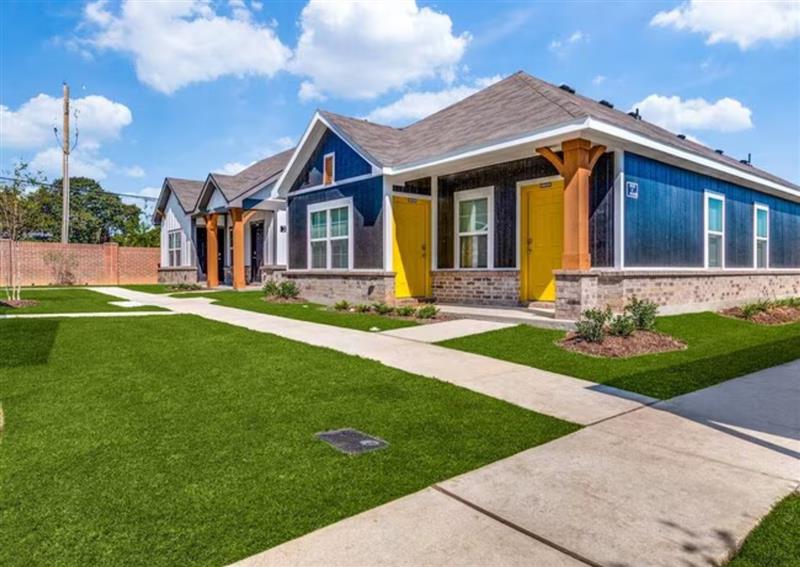
Traditional real estate investing often involves purchasing properties, securing long-term tenants, and collecting monthly rent. However, platforms like Airbnb have introduced another way to generate income through short-term rentals.
Airbnb investments allow property owners to accommodate guests for shorter periods, potentially earning higher nightly rates than traditional rentals. However, profitability depends on location, occupancy, operating costs, and effective management.
The key is to treat short-term rentals as a business. With proper planning and the right investment strategy, they can become a valuable part of a long-term wealth-building portfolio.
Why Investors Are Choosing Airbnb Over Traditional Rentals
Traditional rentals provide relatively predictable monthly income, but fixed leases limit pricing flexibility. Short-term rentals allow owners to adjust nightly rates based on holidays, local events, and seasonal demand.
For example, a property in a popular tourist destination may attract higher rates during peak travel periods. Airbnb investments can also diversify an existing property portfolio.
However, higher nightly rates do not always mean higher profits. Cleaning, utilities, maintenance, platform fees, and vacant periods must be included when calculating returns.
Choosing the Right Property and Market
Location is one of the biggest factors influencing Airbnb performance. Investors should consider major cities, tourist destinations, coastal communities, and emerging neighbourhoods with growing visitor demand.
Property type also matters. Duplexes offer flexibility because both units can operate as separate rentals, while beach houses may attract premium bookings during holiday seasons.
Before purchasing, evaluate occupancy rates, expected nightly income, maintenance costs, insurance, and financing. Comparing potential short-term rental income with traditional rental income can help determine whether the investment makes financial sense.
Financing Your Airbnb Investment
Financing a short-term rental requires careful preparation. Some lenders have specific requirements for investment properties, so investors should disclose their intended rental strategy before securing financing.
Beyond the purchase price, budgets should include furnishing, appliances, professional photography, cleaning supplies, and initial marketing. Maintaining reserves for repairs and vacancies is equally important.
A realistic financial projection helps investors understand the property’s earning potential after expenses.
Maximizing Profit Through Effective Management
Purchasing a property is only the beginning. Successful Airbnb investing requires effective marketing and consistent property management.
Professional photographs, attractive furnishings, and accurate descriptions can make listings more appealing. Dynamic pricing also helps investors adjust nightly rates according to demand and seasonality.
Guest experience matters just as much. Clean accommodation, prompt communication, and convenient check-in procedures can encourage positive reviews and repeat bookings.
Investors should regularly monitor occupancy, rental income, maintenance expenses, and operating costs to identify opportunities for improvement.
Understanding Regulations and Insurance
Before listing a property, investors must understand local short-term rental regulations. Depending on the location, requirements may include permits, registration, zoning approval, and tax payments.
Review Airbnb’s hosting regulations and confirm requirements with relevant local authorities.
Insurance is another important consideration. Standard homeowner’s insurance may not provide adequate coverage for short-term rental activities. Investors should discuss appropriate property and liability protection with their insurance providers.
Combining Airbnb With Other Real Estate Investments
Airbnb properties can complement traditional rental homes, multifamily properties, and commercial real estate.
For example, an investor who owns a duplex may operate one unit as a short-term rental and lease the other to a long-term tenant, provided local regulations permit it.
As the portfolio grows, investors should monitor each property’s income, expenses, and performance. Building relationships with lenders, property managers, contractors, and fellow investors can also support expansion.
Explore Dearonne Bethea’s real estate investment resources for additional insights into building a property portfolio.
Real Investor Examples
Consider an investor who renovates a duplex in an emerging neighbourhood and lists both units for short-term stays. With strong demand and effective management, the property could generate more income than traditional long-term rentals.
Similarly, a couple investing in a beach house may improve its earning potential through attractive furnishings, quality guest experiences, and seasonal pricing.
These examples illustrate possible strategies, not guaranteed returns. Actual results depend on property costs, occupancy, market conditions, and management.
Building Long-Term Wealth Through Short-Term Rentals
Airbnb investments offer an alternative way to generate real estate income, but they require active management and careful financial planning.
Investors must choose suitable markets, control operating expenses, understand local regulations, and maintain quality guest experiences.
By treating each property as a business and making informed decisions, short-term rentals can become a valuable part of a diversified wealth-building strategy.
Ready to explore Airbnb investing? Start by researching your target market, evaluating potential properties, and developing a practical plan for managing your investment.
Frequently Asked Questions
1. Is investing in Airbnb properties profitable?
It can be, but profitability depends on location, occupancy, nightly rates, expenses, and management.
2. Is Airbnb better than traditional rental investing?
Airbnb offers pricing flexibility and potentially higher revenue, while traditional rentals may provide more predictable income. The right option depends on your investment goals.
3. What properties are suitable for Airbnb investing?
Apartments, duplexes, vacation homes, and beach houses can all be suitable, depending on local demand.
4. How much does it cost to start an Airbnb investment?
Costs depend on the property, location, financing, furnishing, renovations, and operating reserves.
5. Do I need a permit to operate an Airbnb?
Some locations require permits, registration, or other approvals. Always check local requirements before listing.
6. Can I convert a traditional rental into an Airbnb?
Yes, where permitted. Check local regulations, mortgage conditions, insurance, and applicable lease restrictions.
7. How can I increase Airbnb rental income?
Use professional photographs, competitive pricing, quality furnishings, reliable management, and excellent guest service.
8. Can Airbnb investments build long-term wealth?
They can contribute rental income and potential property appreciation, although returns depend on market conditions and expenses.
Disclaimer: This article is for educational purposes only and should not be considered financial, investment, legal, or tax advice. Consult qualified professionals before making investment decisions.