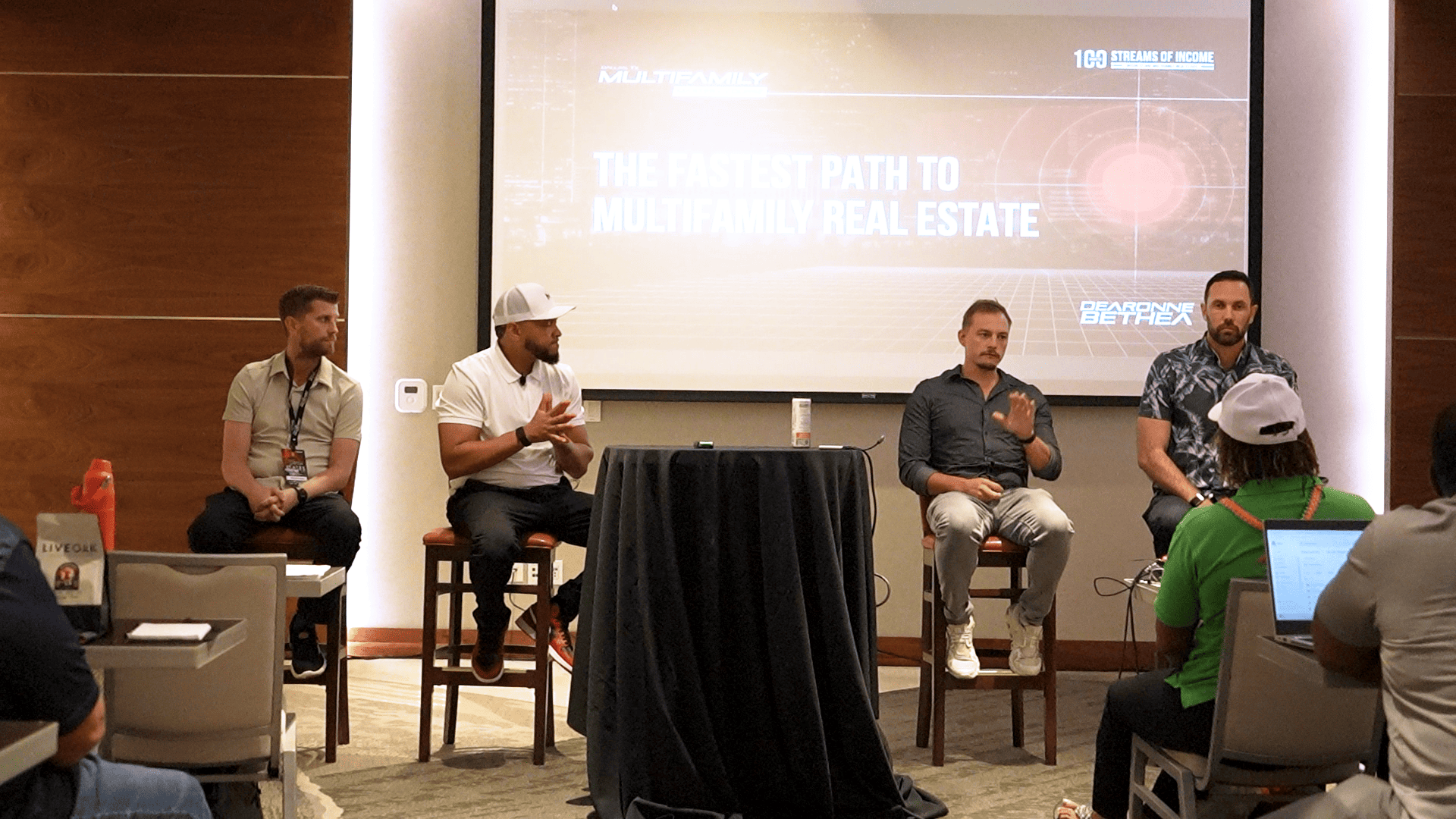
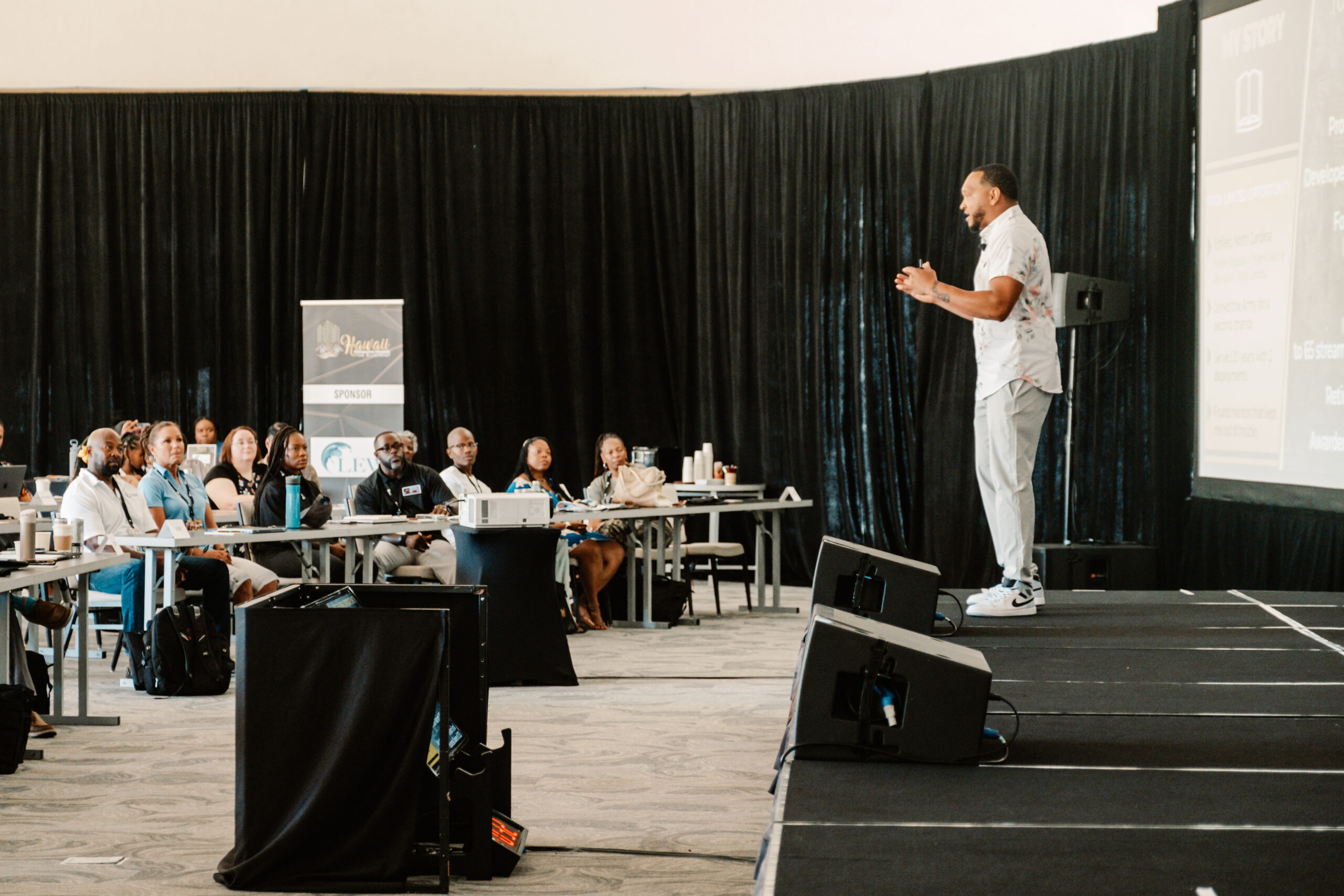
How Dr. Kimberly Kelly and Kim Bradford of Core Wellness Healing are redefining what it means to succeed—starting with the body, mind, and spirit.
Entrepreneurship is often celebrated through stories of relentless ambition, late nights, packed schedules, and the determination to keep going regardless of the circumstances. Yet behind the success stories, many business owners are quietly dealing with exhaustion, anxiety, poor sleep, and the physical consequences of putting work ahead of their well-being. The question is no longer simply how entrepreneurs can achieve more, but how they can build successful businesses without sacrificing their health in the process.
In a conversation featured on the Dearonne Bethea podcast, Dr. Kimberly R. Kelley and Kim M. Bradford of Core Wellness Healing challenge the traditional hustle-first approach to entrepreneurship. Their message is that sustainable success begins with the individual. By bringing together medical knowledge, mental health support, and holistic wellness practices, they encourage entrepreneurs to reconsider what it truly means to thrive. For business owners interested in building lasting wealth and meaningful impact, their approach offers an important reminder: your health is not separate from your success; it is part of the foundation that makes success sustainable.
The Origin of Core Wellness Healing
Dr. Kimberly Kelley, a Western-trained physician, developed a deeper appreciation for holistic wellness during a period of personal transition. While spending time in Hawaii, she discovered that simple experiences, including walking beside the ocean, embracing stillness, and becoming more mindful of her surroundings, offered a sense of peace that transformed her understanding of well-being. These experiences encouraged her to explore how conventional medical knowledge could work alongside practices that support the whole person.
Together with Kim Bradford, who brings decades of military experience and a background in mental health, Kelley helped shape Core Wellness Healing around the idea that people need more than isolated solutions to individual problems. Their approach recognizes the relationship between physical health, emotional well-being, daily habits, and a person’s sense of purpose.
Bradford’s perspective is especially relevant to entrepreneurs accustomed to measuring progress through revenue, productivity, and business expansion. When professional achievement becomes the primary measure of personal worth, rest can feel unproductive and asking for help can seem like weakness. However, a business owner who consistently ignores exhaustion may eventually find it harder to make sound decisions, manage relationships, or lead effectively.
This is why entrepreneurs exploring business coaching and sustainable growth strategies should consider how their personal routines support their professional ambitions. A business plan can provide direction, but maintaining the physical and emotional capacity to execute that plan matters just as much.
Bridging Eastern and Western Approaches to Wellness
One of the defining ideas behind Core Wellness Healing is the integration of different wellness traditions. Dr. Kelley brings her clinical training to the evaluation of health information, while Brooke, a doctor of Chinese medicine, contributes practices such as acupuncture, massage, tai chi, and mindfulness. Bradford’s mental and emotional health expertise adds another dimension by encouraging people to examine the experiences, thought patterns, and stressors that may influence their well-being.
The intention is to look beyond isolated symptoms and consider the broader circumstances affecting a person’s health. Conventional medicine remains essential for diagnosing conditions, treating illness, and managing medical risks. Complementary approaches may also have a role in supporting well-being when they are appropriate, evidence-informed, and coordinated with qualified healthcare professionals.
For entrepreneurs, this integrated perspective can encourage a more thoughtful approach to self-care. Persistent fatigue, for example, should not automatically be dismissed as the price of ambition. It may warrant a conversation with a healthcare professional, a review of sleep habits, or an examination of ongoing stress. Meditation and movement can complement appropriate medical care, but they should not replace necessary diagnosis or treatment.
The broader lesson is to become an active participant in your health rather than waiting until a problem becomes impossible to ignore. This principle also aligns with the growing interest in individualized healthcare, which considers differences in genetics, environment, and lifestyle when guiding medical decisions. The National Institutes of Health’s overview of precision medicine explains how these factors can help inform more tailored approaches to prevention and treatment.
Why Mental and Emotional Health Matter
Entrepreneurs are often expected to remain confident, decisive, and resilient, even when they are navigating financial pressure, uncertainty, and personal challenges. Over time, this expectation can make it difficult to acknowledge emotional struggles. Some people continue working through distress without recognizing how their experiences may be affecting their relationships, habits, or overall well-being.
A central reference point in the Core Wellness Healing conversation is the Adverse Childhood Experiences (ACE) Study, which examines how difficult experiences during childhood can influence health and well-being later in life. Research in this area has identified associations between adverse childhood experiences and increased risks of several physical and mental health challenges. The Centers for Disease Control and Prevention’s guide to adverse childhood experiences provides an overview of these findings and their implications.
These findings do not mean that every person who experiences childhood adversity will develop a health condition, nor do they establish that every physical illness originates in unresolved trauma. Rather, they highlight the importance of understanding how early experiences, prolonged stress, social circumstances, and access to support can influence long-term well-being.
For entrepreneurs, this understanding creates an opportunity to approach personal development with greater honesty. Business challenges may sometimes bring underlying fears, perfectionism, or a strong need for control to the surface. Recognizing these patterns can help individuals make more intentional decisions about their work and relationships.
Core Wellness Healing summarizes its approach to personal honesty through the principle of being HOTA: Honest, Open, Transparent, and Authentic with yourself. Practising this principle means acknowledging when you are overwhelmed, identifying the habits that are no longer serving you, and seeking professional support when necessary. For readers interested in the connection between personal growth and professional performance, Dearonne Bethea’s perspective on why every entrepreneur needs a coach offers a related discussion of accountability, mindset, and the value of having the right support system.
Primary Nutrition: Nourishing More Than the Body
Nutrition usually brings food, vitamins, and meal plans to mind. Core Wellness Healing introduces a broader distinction between secondary nutrition, which refers to the food we eat, and primary nutrition, which encompasses the relationships, experiences, activities, and sense of purpose that contribute to our quality of life.
This perspective challenges entrepreneurs to consider what nourishes them beyond their professional achievements. A business may be growing, yet its owner may feel disconnected from friends, family, creativity, or the activities that once brought joy. When every available hour is devoted to work, the things that make life meaningful can gradually disappear from the schedule.
Healthy relationships, time outdoors, laughter, community, and meaningful personal interests can all contribute to emotional well-being. These experiences do not eliminate financial pressure or business responsibilities, but they can help create a more balanced life. Entrepreneurs can begin by protecting time for loved ones, reconnecting with supportive communities, or making space for activities that have no direct connection to earning money.
Secondary nutrition remains important, too. Regular, balanced meals and appropriate hydration help support general health, while individual nutritional needs can vary according to a person’s circumstances and medical history. The goal is not to choose between physical nourishment and emotional fulfilment, but to recognize that well-being involves several interconnected dimensions.
This holistic view also complements the wider purpose of building wealth. Through the DB Community, entrepreneurs can explore a broader approach to growth that includes business development, relationships, and health and wellness. Financial progress matters, but it is worth considering what that progress is ultimately intended to make possible.
Personalized Wellness and the Future of Health Technology
The future of healthcare increasingly includes personalized approaches that consider a person’s biological characteristics, lifestyle, and environment. Dr. Kelley highlights the potential of DNA-based testing and individualized wellness strategies as part of this evolving landscape. However, genetic information is only one part of the picture, and not every genetic test can reliably predict disease risk or determine the best treatment.
The National Human Genome Research Institute’s explanation of personalized medicine provides further insight into how genetic information can help guide certain medical decisions. Entrepreneurs considering genetic testing should discuss its potential benefits, limitations, privacy implications, and relevance with qualified healthcare professionals before making decisions based on the results.
Wearable technology is another development changing how people approach everyday wellness. Devices such as WHOOP and Oura Ring offer features that track selected indicators related to sleep, activity, and recovery. For a busy founder, this information may help reveal patterns—for example, whether late nights regularly coincide with shorter sleep or whether activity levels have declined during demanding work periods.
Still, wearable devices provide estimates rather than complete medical assessments. Their scores should be considered alongside how a person feels, their medical history, and professional advice when appropriate. The objective is not to become preoccupied with numbers, but to use useful information to make better-informed choices.
Entrepreneurs can also apply the same data-informed mindset to their schedules. Tracking sleep routines, energy levels, exercise, and breaks for a few weeks may reveal habits that need attention. Small adjustments made consistently can be more practical than attempting an unrealistic, complete lifestyle overhaul.
Practical Wellness Habits Entrepreneurs Can Start Today
A healthier approach to entrepreneurship does not require abandoning ambition or restructuring an entire life overnight. It begins with manageable habits that can be maintained alongside professional responsibilities.
Start by creating space to pause. A few minutes of quiet breathing between meetings can offer an opportunity to step back, recognize stress, and approach the next task with greater intention. Build regular meals and hydration into the day instead of relying on convenience alone, and treat adequate sleep as an essential part of maintaining your capacity to work.
The movement deserves similar attention. Walking, stretching, strength training, or another suitable activity can help counter long periods of sitting. The World Health Organization’s physical activity guidelines explain the health benefits of regular movement and provide recommendations for adults. People should adapt activity to their abilities and seek medical guidance when health conditions or other concerns make that necessary.
Equally important, invest in relationships that provide encouragement, connection, and perspective. Set boundaries around work where possible, ask for support when responsibilities become overwhelming, and seek professional mental health care when emotional difficulties persist. If your business consistently requires you to sacrifice sleep, relationships, and basic self-care, consider whether your systems, workload, or expectations need to change.
For additional guidance on aligning professional goals with personal development, explore Dearonne Bethea’s entrepreneur coaching resources. Business strategy and personal well-being serve different purposes, but both can contribute to a more sustainable approach to leadership.
The Core Takeaway: Build Wealth Without Losing Yourself
The message behind Core Wellness Healing is that health deserves attention before a crisis forces it onto the agenda. Dr. Kimberly Kelley and Kim Bradford encourage entrepreneurs to consider the whole person—physical, mental, emotional, and spiritual—as they pursue professional goals. Their approach brings together medical knowledge, complementary wellness practices, emotional awareness, and daily habits to encourage a more intentional relationship with health.
Ultimately, sustainable success requires more than the ability to work hard. It also requires knowing when to rest, recognizing when support is needed, and making room for the people and experiences that give life meaning. Healing is not always simple, and no single approach works for everyone, but taking personal well-being seriously is a meaningful place to begin.
For entrepreneurs, the goal should not be to choose between wealth and wellness. It should be to build a life in which professional achievement supports, rather than consistently undermines, personal well-being. Explore more conversations on the Dearonne Bethea podcast for insights on entrepreneurship, personal growth, and building a meaningful legacy.
Disclaimer: This article is intended for educational and informational purposes only and does not constitute financial, legal, tax, or investment advice. The suitability and results of any course, coaching programme, or business strategy depend on individual circumstances. Research providers carefully and consult qualified professionals when necessary.