What Is an Entrepreneur?
A Complete Guide to Becoming
a Business Entrepreneur
Entrepreneurship isn’t a job title. It is a mindset, a daily practice, and a decision to build something meaningful out of an idea, a problem, or an unmet need. Whether you are asking “what is an entrepreneur,” “what do entrepreneurs actually do,” or “what does it take to become one,” the answers point to the same truth: entrepreneurs are made through vision, action, and persistence, not luck.
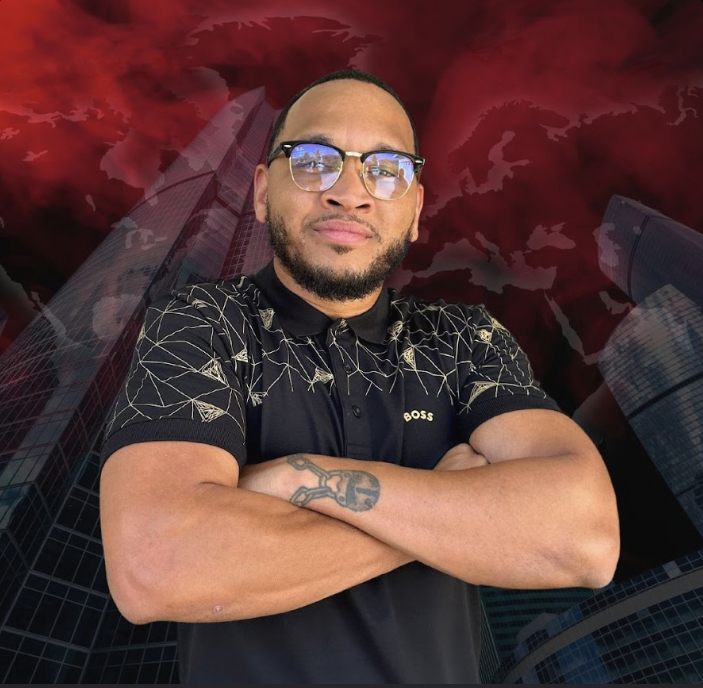
This guide covers what entrepreneurship means, what the daily work looks like, the traits it demands, and the concrete steps to begin. It draws on the experience of Dearonne Bethea, a retired U.S. Army Chief Warrant Officer Four who started with little money and no formal business education. Today he is an investor and entrepreneur coach, and he has built businesses across real estate, property management, marketing, and more.
Key takeaways
- An entrepreneur spots a problem or opportunity and builds a product, service, or brand around it.
- The daily work is problem-solving, selling, managing risk, and building systems.
- You don’t need a degree, a large budget, or permission. You need direction and the willingness to start.
- Sustainable businesses run on repeatable systems, not on hustle alone.
What Is a Business Entrepreneur?
A business entrepreneur is a person who identifies opportunities, solves problems creatively, and takes calculated risks to create value, usually through a product, service, or brand. That holds whether you are launching a startup, running a small business, or expanding into new markets.
At its core, being an entrepreneur means:
- Creating something from nothing
- Wearing multiple hats, especially in the early stages
- Navigating uncertainty with vision and adaptability
- Learning from every setback and every win
Entrepreneurs aren’t born. They are built, and it takes vision, grit, and a willingness to grow through discomfort.
Entrepreneur vs. Employee vs. Small Business Owner
People often use these terms interchangeably, but the roles differ in how they handle risk, growth, and ownership.
|
Entrepreneur |
Small Business Owner |
Employee |
|
|---|---|---|---|
|
Primary goal |
Build something new and scalable |
Run a stable, established business |
Perform a defined role for a salary |
|
Relationship to risk |
Takes calculated risks to create value |
Manages moderate, familiar risk |
Risk is carried mostly by the employer |
|
Income source |
Profits, equity, and multiple income streams |
Business profits |
Salary or wages |
|
Focus |
Innovation, systems, and growth |
Consistency and local customers |
Tasks and responsibilities assigned |
|
Control |
Full ownership of direction |
Ownership of daily operations |
Limited to the role |
None of these is better than the others. The key point is that entrepreneurship is a way of operating, and you can practice it inside a startup, a family business, or a real estate portfolio.
What Do Entrepreneurs Actually Do?
Entrepreneurship is more than “starting a company.” Day to day, entrepreneurs act as problem-solvers, innovators, and leaders who turn ideas into impact. The table below shows how that work breaks down in practice.
|
Core Activity |
What It Looks Like in Practice |
Why It Matters |
|
Spotting gaps |
Noticing problems in the market and designing creative solutions |
Every strong business begins with a real problem |
|
Validating ideas |
Researching the market and collecting honest customer feedback |
It protects your time and money before you invest heavily |
|
Developing offers |
Building products or services that solve those problems |
Solutions create value only when people actually use them |
|
Building the structure |
Creating business models, teams, and partnerships |
Growth needs more than one person’s effort |
|
Managing resources |
Handling time, money, and risk with discipline |
Most businesses fail from poor management, not poor ideas |
|
Selling and marketing |
Presenting ideas to gain traction and revenue |
An idea creates value only once it reaches customers |
|
Adapting |
Making sound decisions quickly under pressure |
Markets shift, and slow decisions cost opportunities |
In short, entrepreneurs build, and they build with purpose. More than anything, they are value creators. They don’t wait for opportunity. They create it.
What Does It Take to Be an Entrepreneur?
A great idea is only the starting point. Sustaining a business takes a specific combination of mindset and skill. The foundation looks like this:
- A clear vision for where you are headed
- The ability to start before you feel fully ready
- Discipline to keep moving when motivation fades
- Confidence to take calculated risks
- Resilience to recover from failure
- A willingness to keep learning and adapting
- A genuine desire to create value for others, not just for yourself
Beyond those foundations, long-term success rests on five core competencies:
|
Trait |
What It Looks Like |
How to Build It |
|
Leadership |
Inspiring and influencing others toward a shared goal |
Lead small projects, mentor others, and communicate the “why” |
|
Focus |
Staying committed despite distractions |
Set one priority per quarter and protect your calendar |
|
Execution |
Turning plans into real-world progress |
Break goals into weekly actions and track results |
|
Adaptability |
Adjusting as markets and expectations shift |
Review results regularly and change course without ego |
|
Ownership |
Taking full responsibility for outcomes, good or bad |
Stop blaming circumstances and ask, “What can I control?” |
It is not about being perfect. It is about being persistent.
What Starting From Zero Really Teaches You
Theory only goes so far, so it helps to look at how it plays out in a real career. Dearonne Bethea began his path in the military at age 18, and he has described it as a second chance out of poverty. He has spoken openly about living paycheck to paycheck, wanting autonomy, and questioning whether success was possible without a traditional path. He had no formal business education and few resources.
Over two decades, including two deployments and 20 years of service, he built businesses while serving. He retired as a Chief Warrant Officer Four. According to his about page, his track record includes:
- Business and real estate assets valued at over $165 million
- Ownership of 1,200 multifamily units
- More than 82 streams of income
- Founding Band of Brothers Investment Group in 2014
- Recognition as the 2023 SBA Veteran Owned award recipient for the state of Hawai’i
- Hosting Hawai’i’s largest yearly business and real estate conference
His story reinforces three lessons that show up again and again among entrepreneurs:
- You can begin without the ideal resources. Resourcefulness beats resources. As Dearonne puts it, life isn’t about resources, it’s about resourcefulness.
- Systems create scale. He emphasizes leveraging technology and repeatable processes so a business can grow beyond one person’s effort.
- Wealth is bigger than money. For him, the goal is leaving a lasting legacy for family and community.
His work has also been covered by outlets including Pacific Business News. You can see more on the media page and in the portfolio.
How to Become an Entrepreneur: The Path Forward
You don’t need a business degree, a large budget, or permission to start. You need direction. Becoming an entrepreneur is a process, and each step builds on the last.
Step 1: Find your passion and shape it into a viable idea
The best businesses sit at the intersection of what you are good at and what the market needs. Passion alone isn’t enough, and a market alone isn’t enough. Write down your strongest skills, list the problems you see people struggling with, and look for the overlap.
Step 2: Validate the concept
Research the market and get honest feedback before you invest heavily. Talk to potential customers. Ask what they currently do, what frustrates them, and what they would pay to fix. Then run a small test, such as a pre-sale, a pilot, or a simple landing page, before you commit serious money.
Step 3: Learn to pitch, sell, and scale
Ideas only create value once they reach customers. Selling is a skill you can learn, and every entrepreneur needs it, even those who plan to hire salespeople later. Practice explaining your offer in one clear sentence, and learn to ask for the sale.
Step 4: Build systems, not just hustle
Sustainable businesses run on repeatable systems that create freedom over time. Document how you deliver your product, handle customers, and manage money. Automate what you can, and delegate what you should. Hustle gets a business started, but systems keep it running.
Step 5: Face fear and failure head-on
Every entrepreneur hits setbacks. What separates success from quitting is how quickly you adapt and keep moving. Treat failures as data, review what happened, adjust, and try again.
Your First 90 Days at a Glance
|
Timeframe |
Focus |
Sample Actions |
|
Days 1–30 |
Clarity |
Define your idea, target customer, and the problem you solve |
|
Days 31–60 |
Validation |
Interview 10–20 potential customers, test a simple offer, and gather feedback |
|
Days 61–90 |
Launch and learn |
Make your first sales, document your process, and refine based on results |
Common Mistakes New Entrepreneurs Make
Knowing what to avoid saves time and money. These are the mistakes that most often slow new founders down.
|
Mistake |
Why It Hurts |
A Better Approach |
|
Waiting until everything is perfect |
Delay costs momentum and market timing |
Launch a simple version, then improve it |
|
Skipping validation |
You may build something nobody wants |
Talk to customers before spending heavily |
|
Doing everything yourself |
It limits growth and leads to burnout |
Build systems, delegate, and use technology |
|
Ignoring the numbers |
Cash problems close otherwise healthy businesses |
Track income, expenses, and margins weekly |
|
Going it alone |
You miss advice, contacts, and accountability |
Join a community of experienced entrepreneurs |
Why Entrepreneurship Matters More Than Ever
In today’s economy, entrepreneurship is about more than being your own boss. It is about ownership, flexibility, and legacy. Business entrepreneurs are:
- Driving innovation in underserved markets
- Creating jobs and strengthening communities
- Building wealth through strategic, long-term decision-making
- Turning passion into purpose
Many entrepreneurs also use real estate as a vehicle for that long-term wealth. If that path interests you, these guides on the blog are good next reads:
- The Ultimate Guide to Buying Multifamily Property covers financing, market research, cash flow, and property management.
- Can You Buy a Multifamily Home with an FHA Loan? explains the rules and strategies for newer investors.
- Managing Multifamily Properties shows how systems and tools keep operations efficient at scale.
And you don’t have to figure it out alone.
How Dearonne Bethea Helps Entrepreneurs Grow
Dearonne knows what it means to start from zero, from navigating early setbacks to building a multi-company portfolio. He now helps aspiring and active entrepreneurs move faster and smarter. Here is where each type of support fits:
|
What You Need |
How Dearonne Helps |
Where to Start |
|
Personal strategy |
One-on-one business coaching and strategy sessions tailored to where you are right now |
|
|
Investment education |
Real estate and investment education for long-term financial growth |
|
|
Connections |
Access to investor and partner networks to accelerate opportunity |
|
|
Marketing and branding |
Marketing insight and brand positioning to help you stand out |
|
|
Mindset |
Coaching to keep you focused, resilient, and accountable |
|
|
Live learning |
In-person mastermind and event experiences |
Whether you are brainstorming your first venture, validating an idea, or scaling an existing business, the goal is the same: to help you build the business, and the mindset, needed to succeed on your own terms.
Frequently Asked Questions
What is an entrepreneur in simple terms?
An entrepreneur is someone who spots a problem or opportunity and builds a product, service, or business to solve it, taking calculated risks along the way.
Do I need a degree to become an entrepreneur?
No. A degree can help, but it isn’t required. Many successful entrepreneurs started with limited education and resources. What matters most is skill, action, and persistence.
How much money do I need to start?
It depends on the business. Many people start small, validate demand first, and reinvest early revenue. Start with the smallest version of your idea that can prove customers will pay.
What is the difference between an entrepreneur and a business owner?
A business owner runs an established business. An entrepreneur focuses on creating new value and building scalable systems, though one person can be both.
Can I be an entrepreneur while working a full-time job?
Yes. Many people build a business on evenings and weekends until it can support them. This lowers risk while you validate your idea.
How do I find guidance from experienced entrepreneurs?
Look for mentors, coaches, and communities with a proven track record. You can start with one-on-one coaching or contact Dearonne’s team to ask about the best fit.
Ready to Build?
It doesn’t matter where you are starting from. What matters is how you build from here. Explore the free resources, get Dearonne’s Strategy of the Week in your inbox, join the DB Community, or connect directly with Dearonne Bethea to create momentum toward the business and life you are working to build.
Start your entrepreneurial journey with Dearonne Bethea today.

Retired Chief Warrant Officer 4 (CW4)
A retired Chief Warrant Officer 4, who found his path at 18 by enlisting in the military, Dearonne took his opportunity for a second chance out of poverty to change his life. Two deployments and 20 years of service later, he’s retired as of this May, leaving behind a legacy of dedication and growth.
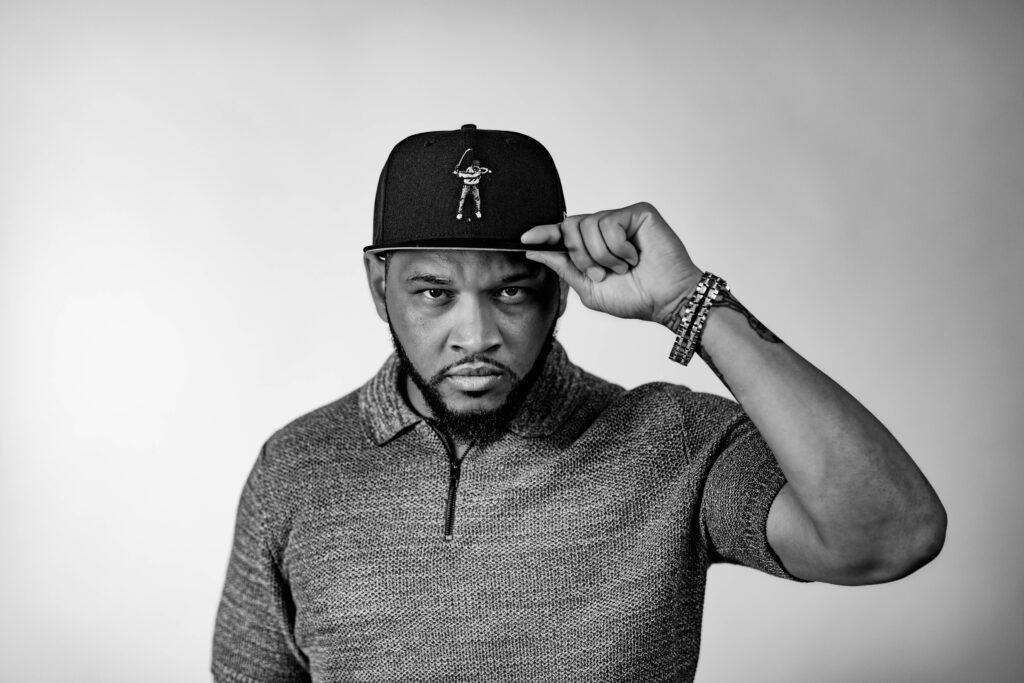
CEO of Band of Brothers Investment Group (BOBIG)
In 2014 Dearonne Bethea took a chance and founded Band of Brothers Investment Group, a dynamic force driving his diverse portfolio of businesses, strategic investments, and a flourishing real estate empire. With visionary leadership and astute decision-making, he has cultivated an impressive legacy, forging a path of entrepreneurial success that continues to thrive under his guidance.

CEO of Luxury In Every Wave (LEW)

CEO of Treazure Studios

Key Principal of Tri-City Equity Group

Entrepreneur 2023 SBA Veteran Owners of The Year
In a resounding testament to his entrepreneurial hustle and commitment to excellence, Dearonne Bethea emerged victorious as the recipient of the esteemed SBA Veteran Owned 2023 award for the state of Hawai’i. His relentless dedication and visionary leadership have propelled his businesses to remarkable heights, garnering recognition and acclaim within the community

Thrive Marketing
Thrive Marketing Co is an avant-garde marketing agency that harnesses the power of Artificial Intelligence (AI) to amplify brands and drive transformative growth. Catering predominantly to mid-sized enterprises, our unique blend of innovative AI-driven strategies and a client-centric ethos ensures tailor-made solutions that resonate deeply with target audiences. Rooted in values of integrity and excellence, Thrive is not just about traditional marketing; we’re shaping the future of brand engagement in an AI-augmented world.

Blacksand Property Management
Blacksand Property Management oversees and manages Multifamily properties. This includes directing the daily operations of property including collecting rent, handling maintenance, tenant complaints and more. Blacksand Property Management is a vertically integrated company focused on privately owned Multifamily assets of its partner controlled portfolio.