Both commercial and residential real estate can generate rental income and build long-term wealth, but they operate differently. From tenant relationships and lease structures to financing, property valuation, and management responsibilities, understanding these differences is essential before choosing an investment strategy.
For investors exploring their next opportunity, the decision between commercial and residential real estate should involve more than comparing rental prices. It requires an understanding of your available capital, financial objectives, risk tolerance, and long-term investment plans. As Dearonne Bethea explains through his real estate investment resources, building a successful portfolio starts with understanding the opportunities available and developing a strategy that aligns with your goals.
Whether you are considering your first rental property or expanding into commercial units for rent, this guide explores the differences between both asset classes, the factors that influence their profitability, and how to determine which option suits your investment strategy.
What Is the Difference Between Commercial and Residential Real Estate?
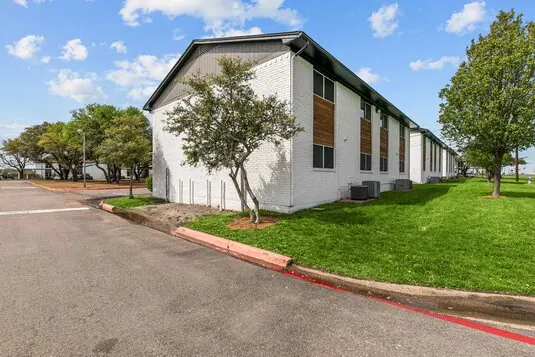
Residential real estate consists of properties designed primarily for people to live in, including single-family houses, condominiums, and smaller apartment buildings. Commercial real estate generally includes properties used for business activities or operated as income-producing assets, such as offices, retail spaces, warehouses, and larger apartment complexes.
The distinction affects how properties are financed, valued, leased, and managed. Residential tenants typically sign shorter leases, while commercial tenants may commit to several years. Commercial properties are also commonly valued according to their net operating income and prevailing capitalization rates, whereas residential valuations often rely more heavily on comparable property sales.
Multifamily properties illustrate how these categories can overlap. A duplex may be treated as a residential investment, while a large apartment complex may be financed and operated using commercial real estate conventions. Understanding how lenders classify a property is therefore important when evaluating an acquisition.
Investors looking to explore this sector further can read Dearonne Bethea’s guide to commercial real estate investment opportunities.
Commercial vs. Residential Real Estate: Key Differences
The most suitable investment depends on what you want your property to accomplish. Residential real estate generally offers a more accessible entry point, while commercial investments can provide opportunities to scale rental income through larger assets and longer leases.
Commercial properties may require substantial upfront capital, specialized financing, and professional assistance. Residential properties are often easier to finance and sell, although landlords may face frequent tenant turnover and ongoing maintenance responsibilities.
Another important difference is vacancy risk. A commercial building occupied by four businesses could lose a substantial portion of its income when one tenant leaves. A multifamily property with numerous tenants may continue generating revenue from occupied units during a vacancy.
Neither asset class is automatically more profitable. Investors must evaluate the property’s income potential, operating expenses, tenant quality, and market conditions before making a decision.
Types of Commercial Real Estate Investment Properties
Commercial real estate encompasses several property types, each with different income opportunities and management requirements.
Office buildings accommodate businesses and professional organizations. Their performance depends on location, accessibility, building quality, and demand for workspace. Hybrid working arrangements have also made tenant demand and building suitability important considerations.
Retail properties include individual storefronts, shopping plazas, and larger shopping centers. Their performance often depends on foot traffic, visibility, consumer spending, and the financial strength of their tenants.
Industrial properties, including warehouses and distribution facilities, serve manufacturing, storage, and logistics businesses. Their location, transportation access, and suitability for specific operations can influence tenant demand.
Multifamily properties generate income through multiple residential units. Although their occupants are households rather than businesses, larger apartment complexes are frequently treated as commercial investments for financing and valuation purposes.
Mixed-use developments combine residential and commercial spaces within one property. This structure can diversify rental income across different tenant categories, although managing the property requires an understanding of both residential and commercial leasing.
Investors can explore commercial real estate investing with Dearonne Bethea for additional guidance on evaluating opportunities and developing portfolio growth strategies.
Understanding Commercial Lease Structures
Lease agreements can significantly influence a property’s profitability. Unlike residential rentals, where landlords commonly cover most operating expenses, commercial leases may allocate some costs to tenants.
A gross lease generally requires the landlord to cover most operating expenses, while the tenant pays an agreed rental amount. A net lease transfers some expenses, such as insurance or maintenance, to the tenant. A triple net lease, commonly called an NNN lease, typically requires the tenant to pay property taxes, insurance, and maintenance in addition to rent.
The right structure depends on the property, tenant, and investment strategy. Investors seeking predictable income may prefer longer leases with financially reliable tenants, while those pursuing value-add opportunities may focus on properties where lease terms and operating arrangements can be improved.
Before purchasing a commercial property, review the lease carefully. Rent increases, renewal provisions, repair obligations, and early termination clauses can materially affect future cash flow.
How to Evaluate a Commercial or Residential Investment Property
A property’s advertised rental income does not tell the entire story. Before purchasing any investment property, examine the factors that determine its potential performance.
Location and market demand are important starting points. Research employment trends, population changes, local development, competing properties, and rental demand. A lower purchase price may not represent good value if the property is in an area experiencing declining demand.
Tenant quality and lease terms deserve equal attention. Reliable tenants with sustainable businesses can support more predictable commercial income. For residential properties, understanding local rental demand, tenant turnover, and applicable landlord-tenant regulations is essential.
Operating expenses and property condition also influence profitability. Maintenance, insurance, taxes, management fees, vacancies, and major repairs should be included in your financial projections.
Investors should pay particular attention to net operating income (NOI), which measures property income after operating expenses but before financing costs and income taxes. The capitalization rate, calculated by dividing NOI by the property’s purchase price or market value, helps investors assess its unleveraged income yield.
Cash-on-cash return, debt service coverage, and internal rate of return can provide additional insights into an investment’s financial performance.
For a more detailed discussion of acquisition planning, read what to know before investing in commercial real estate.
Financing, Costs, and Investment Risks
Financing requirements differ between residential and commercial real estate. Residential investors may have access to conventional mortgages, while commercial acquisitions can involve commercial bank loans, bridge financing, equity partnerships, or joint ventures.
Some investors also use hard money loans for short-term acquisitions or property repositioning. However, these loans generally carry higher borrowing costs, making a clearly defined repayment or refinancing strategy essential.
Beyond the purchase price, investors should budget for closing costs, inspections, legal fees, property management, repairs, insurance, and periods without rental income. Commercial properties may also involve tenant fit-out contributions, brokerage commissions, and extended periods required to secure replacement tenants.
Due diligence should cover the property’s physical condition, financial records, legal status, leases, zoning compliance, and local market conditions. Conservative financial projections should account for potential rent reductions, unexpected expenses, vacancies, and interest-rate changes.
For additional information on evaluating investment opportunities, explore Dearonne Bethea’s real estate investing guide.
How to Increase Rental Income and Property Value
Property ownership alone does not guarantee strong returns. Effective management, careful expense control, and a clear investment strategy help determine whether an asset performs well over time.
Investors can improve performance by reviewing rents against comparable properties, addressing maintenance issues promptly, improving energy efficiency where financially justified, and retaining reliable tenants. Commercial landlords may also increase value by improving underused spaces or negotiating appropriate lease terms at renewal.
Because commercial properties are frequently valued according to their income, increasing net operating income can support a higher property valuation, assuming market capitalization rates and other relevant conditions remain comparable.
Investors should also consider professional property management when the demands of maintaining a property exceed their available time or expertise. The objective is to build an investment that can be managed sustainably rather than focusing exclusively on rental revenue.
Which Is Right for You: Commercial or Residential Real Estate?
Choosing between commercial and residential real estate begins with understanding your financial position and investment priorities.
Residential real estate may be more suitable if you are starting with limited capital, prefer a more accessible financing structure, or want to gain experience managing rental properties. Commercial real estate may appeal to investors with greater capital resources, a longer investment horizon, and the professional support needed to evaluate more complex transactions.
Consider how much money you can commit, how long you can leave it invested, and whether you could manage an extended vacancy without creating financial pressure. Your preferred level of involvement also matters, since commercial leases, financing arrangements, and property operations can require specialized expertise.
You do not necessarily have to choose one asset class permanently. Some investors combine residential and commercial properties to diversify their income sources and investment exposure.
Connecting with experienced investors can also help you develop a more informed strategy. Dearonne Bethea’s real estate investor groups offer opportunities to learn, network, and explore investment strategies alongside other investors.
Ultimately, the right investment is not simply the property with the highest advertised yield. It is the property whose financial potential, risks, and management requirements align with your resources and long-term objectives.
Frequently Asked Questions
Is commercial real estate better than residential real estate?
Neither is universally better. Commercial properties may offer longer leases and higher income yields, but they can require more capital and carry greater vacancy risk. Residential properties are often easier to finance and sell, although they may involve more frequent tenant management.
What is a commercial rental property?
A commercial rental property is an asset leased for business use or operated as an income-producing investment. Examples include offices, retail units, warehouses, and larger multifamily apartment buildings.
Does commercial real estate generate higher returns?
Commercial properties can offer higher yields, but actual returns depend on purchase price, rental income, operating costs, financing, tenant stability, and market conditions. A higher capitalization rate may also indicate greater investment risk.
How much money do I need to invest in commercial real estate?
The amount varies according to the property, location, financing terms, and investment structure. Direct commercial ownership generally requires substantial capital, while certain real estate investment trusts and pooled investment arrangements may provide alternatives with lower entry requirements.
What is a triple net lease?
A triple net lease typically requires the tenant to pay rent, property taxes, insurance, and maintenance costs. The precise obligations depend on the agreement, so investors should review the lease before purchasing the property.
Can beginners invest in commercial real estate?
Yes, but beginners should understand the financial, legal, and operational requirements before committing capital. Starting with smaller investments, learning from experienced professionals, and conducting thorough due diligence can help investors make more informed decisions.
Build Your Real Estate Investment Strategy with Confidence
Commercial and residential real estate offer different opportunities for generating income and building long-term wealth. Understanding their differences in financing, tenant management, valuation, and risk can help you identify investments that align with your financial goals.
Before committing to a property, research the market, examine the numbers, assess the risks, and seek qualified professional advice where necessary. If you want to strengthen your investment knowledge and connect with like-minded investors, explore the educational resources and investor community available through Dearonne Bethea.
Make informed decisions, invest with a clear strategy, and build your portfolio with your long-term goals in mind.
This article is for educational purposes only and does not constitute financial, legal, or tax advice. Investment risks, financing requirements, and regulations vary by location. Consult qualified professionals before making investment decisions.