Building a real estate empire doesn’t happen overnight. It takes patience, partnerships, and a deep understanding of how to use capital effectively.
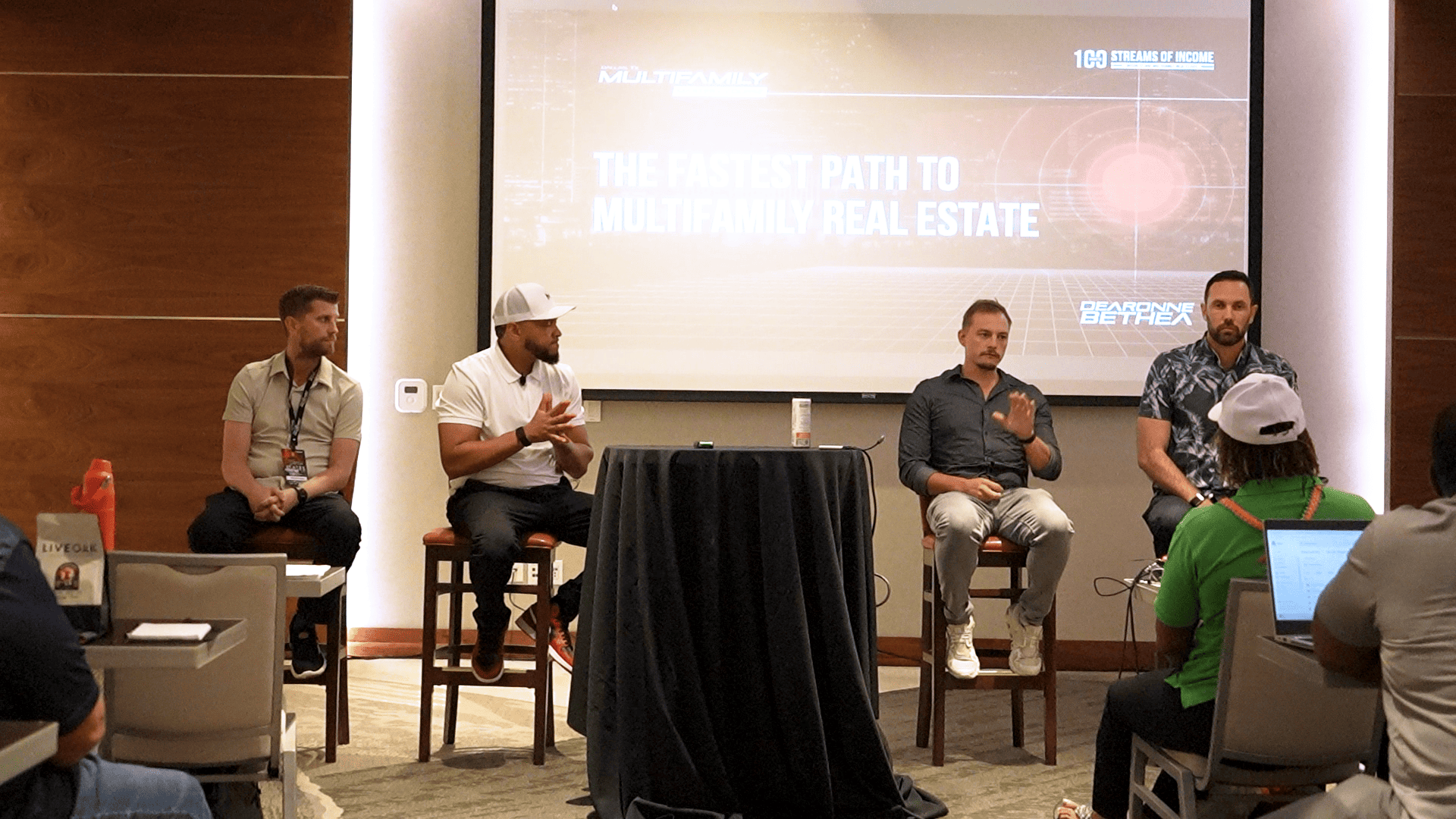
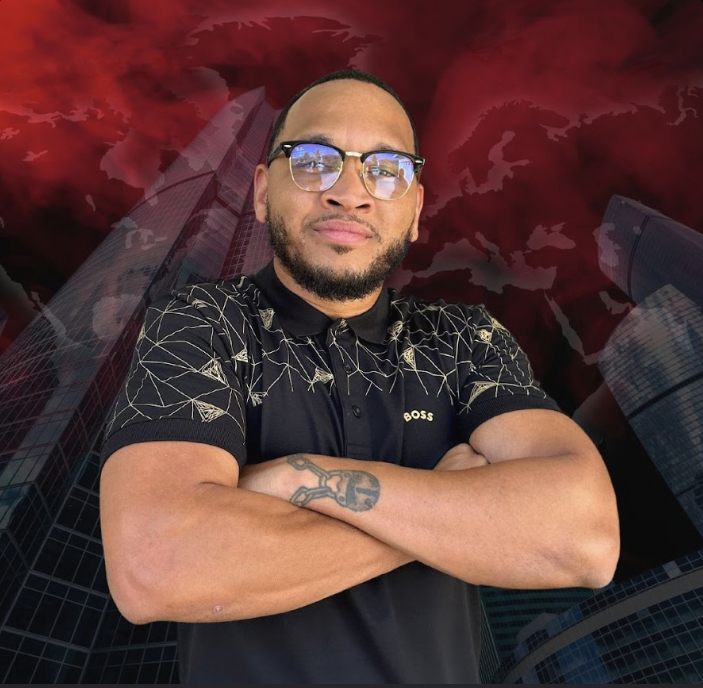
In this episode of the DB Business Blueprint Podcast, Dearon Bethea, CEO of Band of Brothers Investment Group, sits down with Duke Ong, CFO and Co-Founder of Tri-City Equity Group, to uncover how Duke went from a high school physics teacher to managing over $70 million in multifamily assets across the U.S.
Their conversation breaks down the blueprint for scaling in real estate — from starting small to syndicating large deals — while maintaining financial discipline and purpose.
1. From Teaching to Building an Empire
Before managing millions in assets, Duke Ong was a full-time teacher — balancing lesson plans and side hustles while slowly investing in single-family homes.
“My first property was a duplex I bought while teaching,” Duke recalls. “I realized early that real estate could be the bridge between where I was and the financial freedom I wanted.”
Over the years, he transitioned into multifamily investing, partnering with others to acquire larger assets that generated consistent cash flow and appreciation.
2. The Birth of Tri-City Equity Group
Duke founded Tri-City Equity Group with two other partners who shared the same mission:
To help working professionals build wealth through passive real estate investing.
The company focuses on multifamily syndications, pooling investor capital to acquire large apartment complexes.
What started as small local deals has now grown into a $70 million portfolio, covering 520+ units and spanning multiple states.
Their success is rooted in their values:
- Transparency with investors
- Data-driven decision-making
- Conservative underwriting
- Strong property management oversight
“Our goal isn’t to chase flashy returns,” Duke explains. “It’s to create steady, reliable performance for every investor who trusts us.”
3. Why Multifamily Real Estate?
According to Duke, multifamily offers three major advantages over single-family investing:
- Scalability – One 100-unit building is easier to manage than 100 single homes.
- Predictable Cash Flow – Rent collections are diversified across multiple tenants.
- Tax Efficiency – Depreciation and cost segregation significantly reduce taxable income.
“Multifamily is the ultimate wealth-building vehicle,” Duke says. “It gives you scale, control, and sustainability.”
4. Smart Financing: Debt, Risk, and Return
A major factor in Tri-City’s success is understanding how to use debt strategically.
During times of rising interest rates, many investors retreat — but Duke sees opportunity.
The group now leverages:
- Loan assumptions — taking over existing low-rate loans
- Bridge financing for value-add projects
- Agency loans (Fannie Mae & Freddie Mac) for long-term stability
“The goal isn’t to avoid debt,” Duke notes. “It’s to manage it wisely. You make your money when you buy — not when you sell.”
Their approach is conservative yet opportunistic, allowing them to acquire undervalued assets even in uncertain markets.
5. The Power of Syndication
Tri-City Equity Group operates through real estate syndication, allowing multiple investors to participate in large projects without direct management responsibility.
Here’s how it works:
- General Partners (GPs): Handle acquisition, financing, and management.
- Limited Partners (LPs): Provide capital and share in profits passively.
This model has made real estate investing more accessible to professionals who don’t have the time or expertise to manage properties themselves.
“It’s not about owning 100% of one property,” Duke says. “It’s about owning 1% of 100 properties.”
6. Building Trust Through Data and Communication
Transparency is central to Tri-City’s success. Investors receive:
- Monthly performance updates
- Detailed financial reports
- Market trend analyses
- Open communication from the management team
“When you’re handling other people’s money, trust is everything,” Duke emphasizes. “We earn that by being consistent and accountable.”
The group’s reputation for integrity has fueled steady investor growth, with many investors reinvesting across multiple deals.
7. The Role of Property Management
Tri-City recently launched Black Sands Property Management to handle its own portfolio and selected third-party clients.
By bringing management in-house, the group ensures:
- Better oversight
- Faster decision-making
- Improved tenant relations
- Stronger operational margins
“When you control management, you control performance,” Duke explains. “And performance builds trust — which builds more opportunity.”
8. Partnership, Patience, and Long-Term Vision
Dearon and Duke agree that scaling to $70 million wasn’t about chasing quick wins — it was about consistency and partnership.
“You can’t do big things alone,” Dearon says. “Partnerships multiply results when they’re built on trust and shared goals.”
Their advice to new investors:
- Start small. Learn by doing.
- Partner strategically. Choose people who complement your weaknesses.
- Be patient. Compounding only works over time.
- Stay disciplined. Systems, not emotion, drive success.
9. The Bigger Picture: Creating Impact
Beyond profits, Duke’s mission is to create financial literacy and access. Through education and partnerships, Tri-City helps working professionals become investors, not just earners.
“It’s not about getting rich,” he says. “It’s about creating freedom — for yourself, your family, and your community.”